



Technology is rapidly reshaping the way we work, create, and solve problems, but the conversation is no longer about humans versus machines. Instead, the focus has shifted to collaboration—finding the sweet spot where human insight and artificial intelligence (AI) combine to produce more innovative, efficient outcomes. This shift is not about replacing the creative spark that makes your work unique, but about elevating it with the powerful capabilities AI provides. Here is how you can master this partnership and harness AI without stifling your own creative voice.
UNDERSTANDING AI’S ROLE: TOOLS, NOT CONTENDERS
At its best, AI serves as an assistant, a brainstorming partner, or an inspiration engine. While algorithms can process and analyze vast pools of data at lightning speed to uncover trends, the real magic happens when you apply human context.
- The Power of Analysis: AI can quickly sift through consumer feedback or emerging market news, saving hours of mundane analysis for marketers and innovators.
- Amplification, Not Replacement: Treat AI as an idea accelerator. Whether you are a digital artist using generative tools or a writer experimenting with text models, these technologies propose new possibilities.
- The Human Touch: You remain the curator. The human hand must select, revise, and infuse the project with the personal perspective that transforms raw output into true art.
EMBRACE CURIOSITY AND EXPERIMENTATION
To keep your edge in an evolving landscape, you must maintain a playful, experimental mindset. The goal is to avoid rigid workflows and resist the temptation to rely solely on the status quo.
- Fail Forward: Try AI tools in small, low-risk projects. Use them to summarize technical reports, generate color palettes for designs, or suggest alternative headlines.
- Synergy in Practice: A writer might use AI to generate an initial outline, then pivot away from it to craft a richer, more personal story.
- Human Curation: The blend of AI-generated suggestions and human refinement creates possibilities that neither could achieve alone.
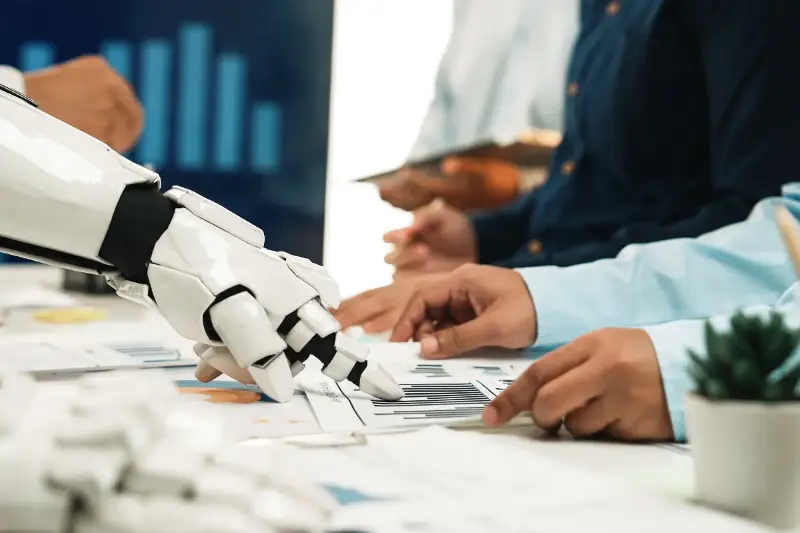
ACTIVE LEARNING: KEEP YOUR CREATIVE EDGE SHARP
Mastering AI requires an understanding of both its immense potential and its inherent limitations. Just as an architect must understand both design theory and the properties of building materials, today’s professionals must stay informed.
- Continuous Education: Take advantage of accessible workshops, webinars, and courses tailored to your specific industry.
- Nurture Your Instincts: Keep your creative muscles sharp away from screens. Doodling, brainstorming without digital prompts, and engaging in face-to-face collaboration ensure that technology enhances rather than overshadows your unique contributions.
ENSURING ETHICS AND AUTHENTICITY
With advanced tools comes a higher level of responsibility. AI is excellent at generating vast quantities of content, but it can occasionally reflect or amplify biases found in its training data.
- Verify for Fairness: Always double-check AI-generated outcomes for inclusivity, accuracy, and originality.
- Ownership: Take full responsibility for your work. Resist the temptation to accept every AI suggestion blindly; make conscious choices about when and how these tools serve your specific goals.
- Maintain Your Voice: If you are using AI in writing or imagery, overlay your own insights and brand voice to ensure the final product remains authentic.
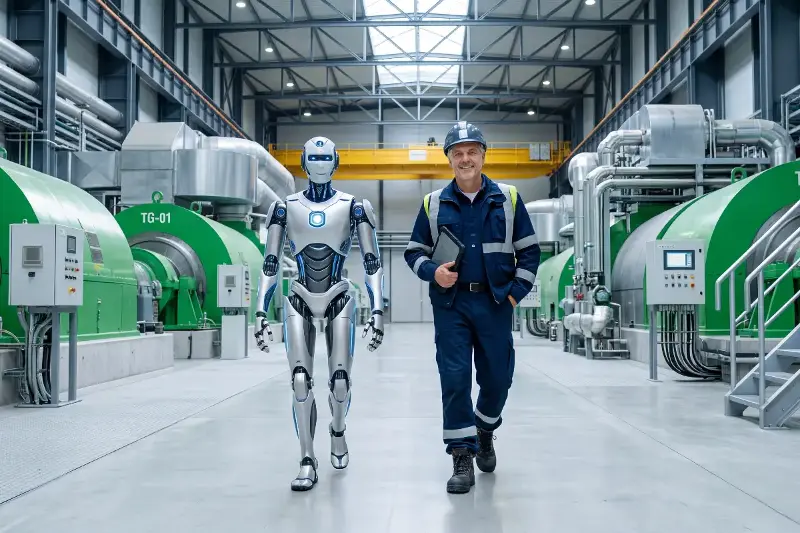
TEAMWORK MAKES THE DREAM WORK
Technology encourages a collaborative culture where different skill sets—data expertise, communication, and creative thinking—merge seamlessly. AI tools can become a shared playground for your team.
- Collaborative Innovation: Use AI as a facilitator to spark group brainstorming sessions that ensure everyone's input is valued.
- Diverse Perspectives: By blending human-to-human collaboration with AI-powered data, teams can unlock richer, more creative results than ever before.
In summary, the future belongs to those who blend technology and creativity with agility. Human ingenuity gives work its soul, while AI offers unprecedented scale and speed. Learning to collaborate with these tools while nurturing your own instincts is one of the most vital professional skills of our time.