Universe
The Moon is stealing time from the Earth, and it has been getting away with it for billions of years. Our planet spins so much slower than it once did that a single day has stretched from just 19 hours to the 24 we live by, and the Moon is still creeping away from us right now.
Sunsets on Mars glow blue rather than red, because the fine dust suspended in its thin air scatters sunlight so that the blue gathers into a halo around the setting sun while the rest of the sky stays yellow and orange, leaving the planet that looks rusty all day to end it with a cool blue glow.
Artemis III backup astronaut in prime spot to be chosen for moon landing mission
Apollo astronauts trying to sleep on the way to the Moon kept seeing flashes and streaks in the dark, and the cause turned out to be cosmic rays from deep space passing straight through their eyes.
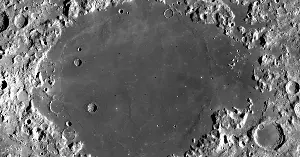
The Moon looks white in the night sky, but its surface is closer in color to a worn asphalt road — and it appears bright enough to read by on a clear night not because the surface is bright, but because the Moon is so close and fully sunlit that even a surface reflecting just 12 percent of incoming light becomes one of the brightest objects in the sky
Earth’s magnetic field has flipped hundreds of times, swapping magnetic north and south in a switch locked into ancient rock, and it happens on no fixed schedule, yet nothing in the record suggests a single flip ever wiped out life.
At its birth, Earth had no Moon. Then something perhaps the size of Mars slammed into the young planet, flinging molten debris into orbit that became the companion world now pulling our tides, steadying our seasons, and perhaps helping make Earth stable enough for life to flourish.
Pluto takes about 248 Earth years to circle the Sun, which means it still hasn’t completed a single orbit since we found it — and won’t finish that first lap until the year 2178
Calming The Gemini Mind: Innovative Wellness Tips To Boost Mental Balance And Clarity
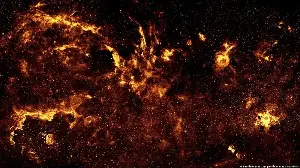
The popular claim that space tastes like raspberries and smells like rum, repeated in science articles for over fifteen years, is based on a single 2009 detection of one organic molecule in one specific dust cloud at the centre of the Milky Way, and the actual story behind the finding is more interesting than the version that has been circulating
The Surprising Science Behind Moon-Driven Tides And Their Impact On Earth’s Oceans
Explore The Wonders Of Our Solar System: Unique Facts About Every Planet Unveiled
Strange ‘super-puff’ planets as big as Jupiter but lighter than cotton candy found
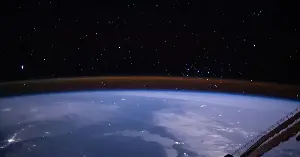
The International Space Station circles the planet so fast that the crew watch the sun rise and set sixteen times in a single day, a new dawn roughly every ninety minutes
It is impossible to burp in space, because in microgravity the human stomach cannot separate gas from the liquid and partially digested food it sits inside, and any attempt to burp expels a mixture of all three directly into the astronaut’s mouth.
When NASA lost contact with the Pioneer 10 spacecraft in January 2003, it was more than 12 billion kilometres from Earth and still faintly transmitting on a 30-year-old transmitter weaker than a refrigerator bulb, and the final signal took eleven hours to crawl back across the void before fading into noise forever.
Earth quietly picks up tiny second moons from time to time, small asteroids briefly caught by our gravity before they wander off again, which means our planet has carried far more moons than the single one most people ever notice.
Meteor Explodes Over United States, Triggering Sonic Boom
No spacecraft has ever landed in the outer solar system — except one: the Huygens probe, which parachuted through Titan’s orange haze in 2005 and touched down more than a billion kilometres from Earth in cold that dropped below minus 170 degrees Celsius
Top Dream Destinations For Cancer Signs: Seeking Tranquility And Emotional Rejuvenation