


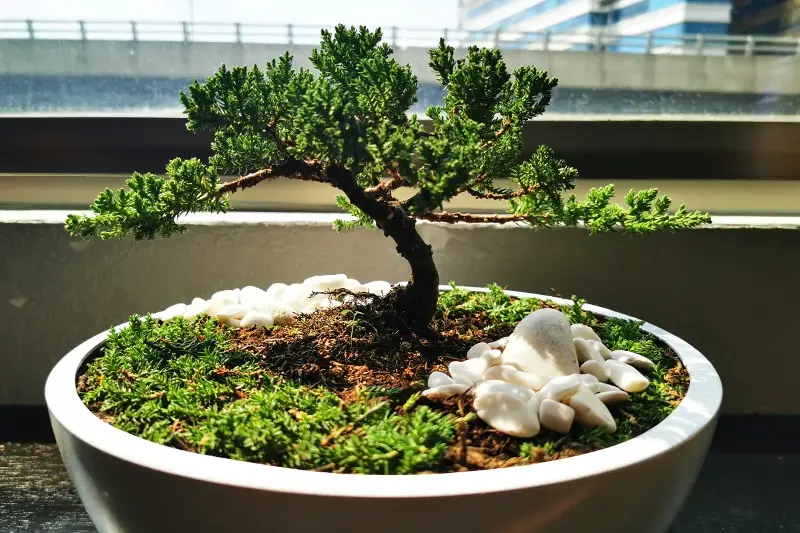
Bonsai trees have long captured the imagination with their delicate beauty and centuries-old traditions. For many, this practice seems mysterious, yet starting your own miniature collection is an accessible and deeply satisfying hobby. Whether you are looking for a calming ritual or a creative outlet, this guide will help you step confidently into the world of bonsai, turning curiosity into a rewarding, lifelong passion.
UNDERSTANDING BONSAI: THE ART FORM AND ITS ORIGINS
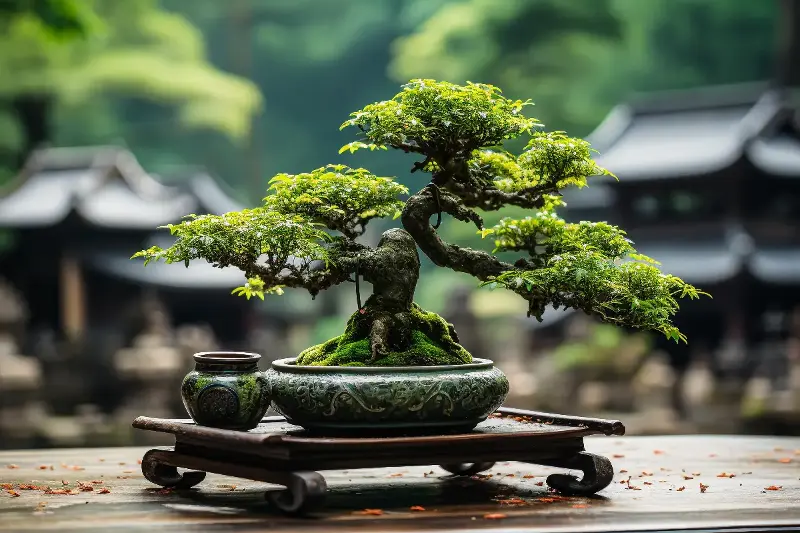
Derived from the Japanese phrase meaning “planted in a container,” bonsai is far more than just growing a tree in a pot. Originating over a thousand years ago, this art form focuses on cultivating and shaping trees in miniature, capturing the rugged beauty of nature on a tiny scale.
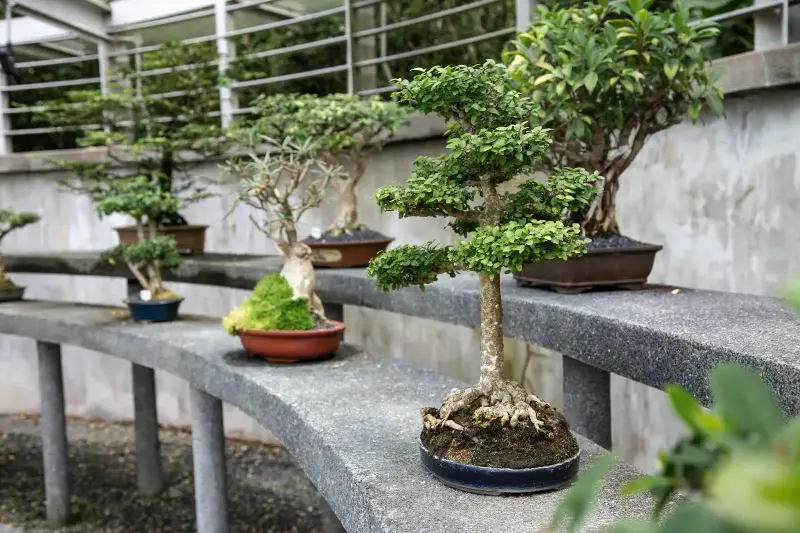
- Not a Specific Species: Bonsai is a technique, not a plant type. Most standard trees and shrubs—including maples, elms, pines, and junipers—can be trained as bonsai.
- The Design Process: Every curve, twist, and leaf is a product of deliberate design, patience, and careful maintenance.
CHOOSING YOUR FIRST BONSAI: PICKING THE PERFECT TREE
When you are just starting, the options can feel overwhelming. The secret is to align your choice with your environment and experience level.
- Indoor Enthusiasts: Species like the sturdy Ficus, graceful Jade plant, or tropical Schefflera are excellent for beginners. They are forgiving of novice mistakes and thrive in typical household conditions.
- Outdoor Growers: The Juniper is a classic hardy starter due to its flexible branches, which are perfect for learning to wire and shape. Chinese Elms and Japanese Maples are also popular for their stunning foliage and pest resistance.
Remember to consider your local climate, as some trees require a winter dormancy period to remain healthy.
ESSENTIAL TOOLS AND SUPPLIES: GETTING EQUIPPED
You do not need an entire warehouse of gear to start. A few high-quality, dedicated tools will make the process much smoother:
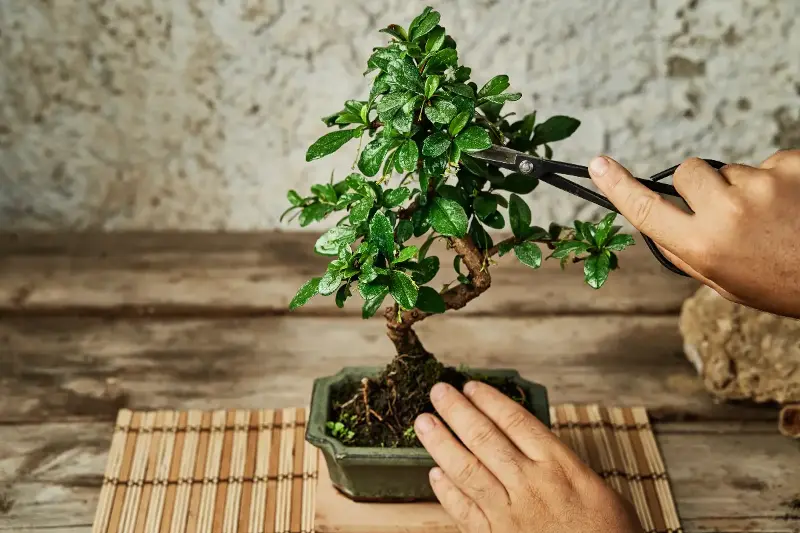
- Pruning Shears: Essential for trimming roots and branches with precision.
- Concave Cutters: Used to remove branches cleanly, which promotes healthy, aesthetically pleasing healing.
- Bonsai Wire: Typically made of aluminum or copper, this is used to gently guide the tree into your desired shape.
- Specialty Soil: Unlike standard potting soil, bonsai mixes use components like akadama, pumice, or lava rock to ensure excellent drainage and root aeration.
BASIC CARE: WATERING, LIGHT, AND FEEDING
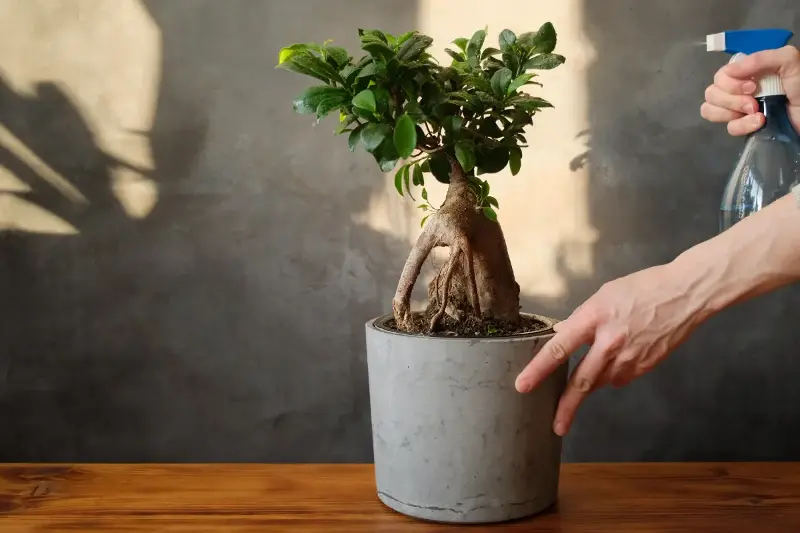
Caring for a bonsai is a lesson in attentive observation. Because the pots are small, moisture levels fluctuate more rapidly than in a garden bed.
- Hydration: Water your tree thoroughly whenever the soil surface feels slightly dry. Avoid letting the tree sit in water, but do not let it become completely bone-dry.
- Sunlight: Most species require several hours of bright, indirect sunlight. If you are keeping your bonsai indoors, a sunny windowsill or a dedicated LED grow light will keep it vibrant.
- Nutrition: Use a balanced, slow-release fertilizer during the active growing season (spring to autumn) to support lush growth.
PRUNING AND SHAPING: CREATING YOUR LIVING SCULPTURE
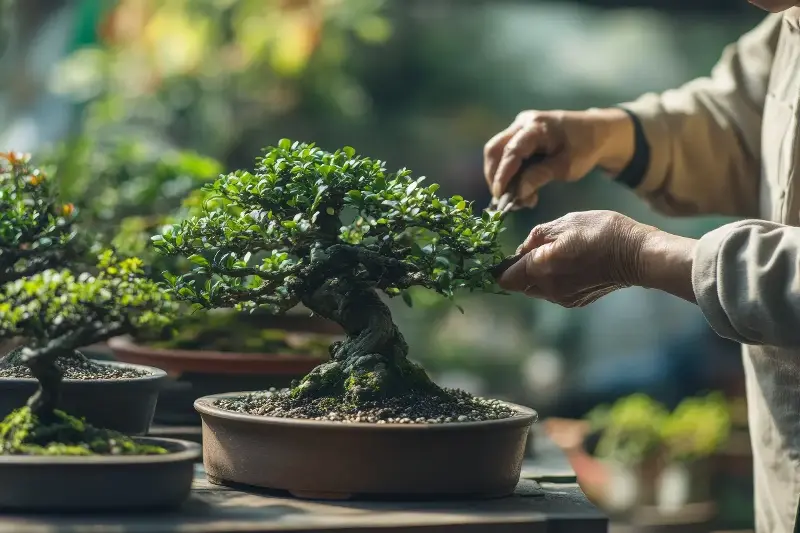
Pruning is where the artistic magic happens. By trimming both the roots and branches, you maintain the tree’s compact size and mature appearance.
- Branch Pruning: The best time for major structural pruning is early spring, right before the plant enters its peak growth phase.
- Wiring Techniques: Gently wrap wire around branches to guide them into dramatic curves or cascading styles. Be patient—bend slowly, and always check the wire every few weeks to ensure it does not cut into the bark as the tree thickens.
ENJOYING THE BEAUTY: PATIENCE AND CONNECTION
The most rewarding aspect of bonsai is witnessing the tree evolve under your care. No bonsai is ever truly “finished.” Each season brings new growth and the opportunity for subtle, artistic refinements.
Many growers find that daily care becomes a peaceful, meditative ritual—a welcome break from the pace of modern life. Whether you cultivate a single tree or a flourishing miniature forest, you are embarking on a journey that encourages mindfulness and a profound appreciation for the natural rhythms of the world.