


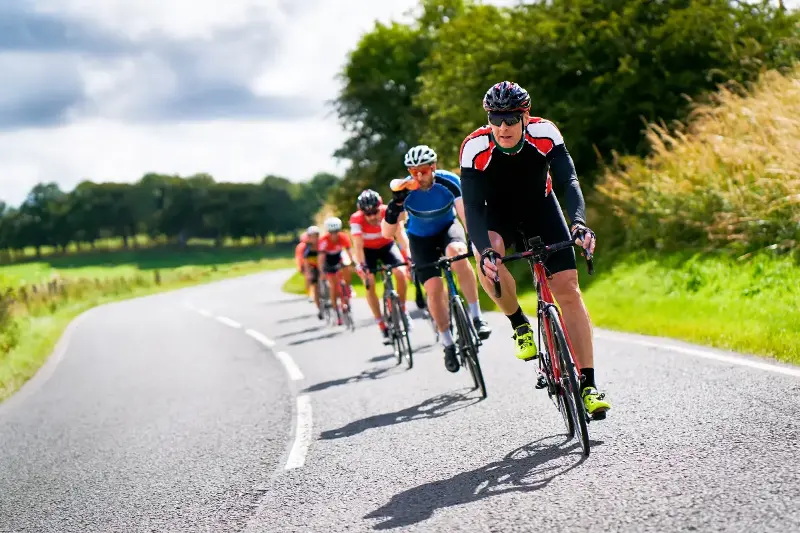
Cycling is widely praised as a low-impact sport, but low impact does not mean zero stress. Every single pedal stroke places direct force through the kneecap, supporting tendons, cartilage, and leg muscles. On a relaxed weekend ride, that force is easily tolerated by the body. Over thousands of poorly aligned or overly forceful repetitions, however, minor mechanical errors can quickly transform into a real source of persistent joint pain.
Fortunately, most cycling-related knee issues stem from simple habits that are easy to fix. Refining your bike fit, adjusting your training load, and paying attention to early physical warning signs will ensure every journey stays enjoyable and pain-free for years to come.
The Hidden Risks of a Low Saddle
A saddle set too low is one of the most frequent hidden causes of front-of-knee pain. When your seat lacks sufficient height, the knee remains deeply bent at the highest point of each stroke. This position drastically increases compression between the kneecap and the thigh bone, particularly during steep climbs or intense efforts.
To evaluate your setup, examine your leg position at the lowest point of the pedal revolution:
- Ideal bend: Your knee should retain a subtle, comfortable angle rather than feeling cramped or fully locked out.
- Target angle: Bike-fit specialists generally look for a knee angle between 25 and 35 degrees.
- Riding safety: While a lower seat feels reassuring for quick stops in city traffic, it taxes your joints over longer distances.
Instead of dropping your saddle height, practice leaning forward slightly or sliding off the seat when coming to a complete stop.
Why an Overly High Saddle Strains Joints
Setting your seat too high causes an equally troublesome chain reaction. An overextended saddle forces your hips to rock side to side as you stretch to reach the bottom of the stroke. This continuous rocking motion pulls the knees into unnatural angles while straining the hamstrings, hip stabilizers, and back of the legs.
Key warning signs of an overextended saddle include:
- Pointing toes excessively at the bottom of the pedal rotation
- Uncomfortable numbness or constantly shifting around on the seat
- Targeted strain occurring along the outer thigh or directly behind the joint
Lowering your saddle by just a few millimeters can make an immediate difference. Always make tiny, incremental adjustments and test them on brief, gentle rides before making further changes.
Pacing Your Cadence for Joint Longevity
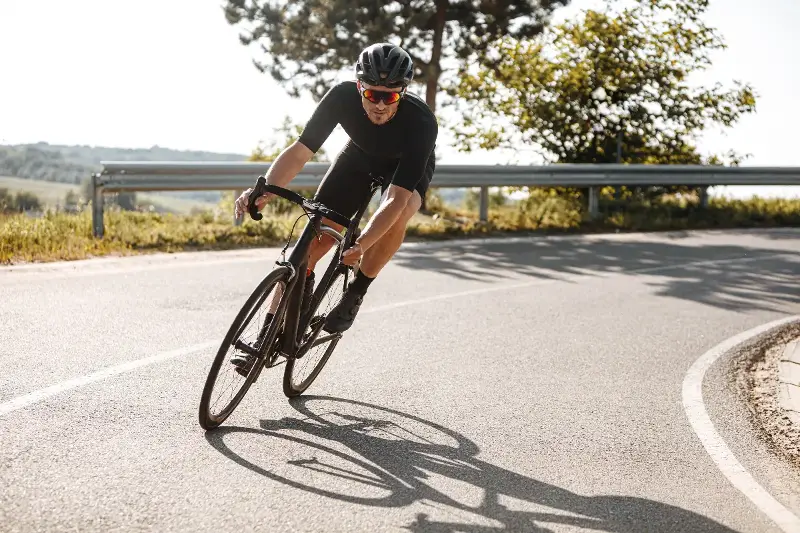
Pushing a massive gear may feel powerful, but it places excessive torque—the turning force required to rotate the crank—directly through your knees. Cyclists who routinely pedal at low speeds against heavy resistance risk overloading their tendons and surrounding joint tissues.
- Target cadence: Aim for a fluid cadence around 80 to 100 revolutions per minute on flat terrain.
- Smart shifting: Shift into easier gears earlier when approaching hills to maintain a lighter, smoother pedal stroke.
- Adaptation time: Remember that cardio fitness often improves faster than tendons can adapt, so give your joints adequate time to build strength.
Keeping your pedaling rate high dramatically decreases the peak pressure exerted on your joints with every single turn.
Proper Cleat Position and Movement
Clipless pedals optimize pedaling efficiency, but misaligned cleats can silently twist your knee thousands of times per ride. A cleat positioned too far inward, outward, or forward alters your foot angle and transfers unnecessary stress upward into the leg.
Pay close attention to these vital alignment factors:
- Natural tracking: Your knee should move in a clean, straight line over the foot, avoiding inward collapse or outward flaring.
- Cleat float: Allow a modest amount of float—the rotational play available while clipped in—so your feet can find their natural position.
- Professional guidance: Persistent pain on one side is a clear cue to re-evaluate cleat wear or seek a professional bike fitting.

Building Mileage and Intensity Progressively
Your cartilage, tendons, and muscles adapt to training gradually over time. A sudden, drastic jump in distance or weekly frequency can quickly overwhelm healthy tissues, even if individual rides feel completely fine in the moment.
- Listen to signals: Pain that develops near the end of a ride or lingers into the next morning indicates your current volume needs adjusting.
- Pacing your progress: Increase overall distance, hill climbing, or speed work incrementally rather than all at once.
- Prioritize recovery: High-quality sleep, balanced nutrition, and planned rest days are essential components of building stronger, healthier joints.
Supporting Alignment with Strength and Mobility
Pedaling occurs predominantly in one plane of motion. While powerful quads are useful, your knees rely heavily on strong glutes, hips, calves, and core muscles to maintain proper tracking.
Incorporating targeted off-bike movements offers powerful joint protection:
- Key exercises: Squats, step-ups, split squats, glute bridges, and single-leg stability drills build essential alignment control.
- Flexibility focus: Keep hip flexors, quadriceps, and calf muscles mobile to prevent tightness from pulling your pedal mechanics out of line.
- Consistency over duration: Just two brief strength sessions per week can yield remarkable improvements in joint stability.

Responding to Persistent Body Signals
Cyclists often pride themselves on endurance, but sharp or ongoing joint discomfort should never be treated as a routine part of training. Continuing to push through sharp pain, swelling, or instability can turn a minor, temporary irritation into a prolonged setback.
If persistent discomfort arises, step back to lower gear resistance, verify your bike setup, and focus on smooth, easy spinning. Taking proactive steps early preserves your comfort, builds lasting riding confidence, and ensures every mile on the road remains deeply rewarding.