


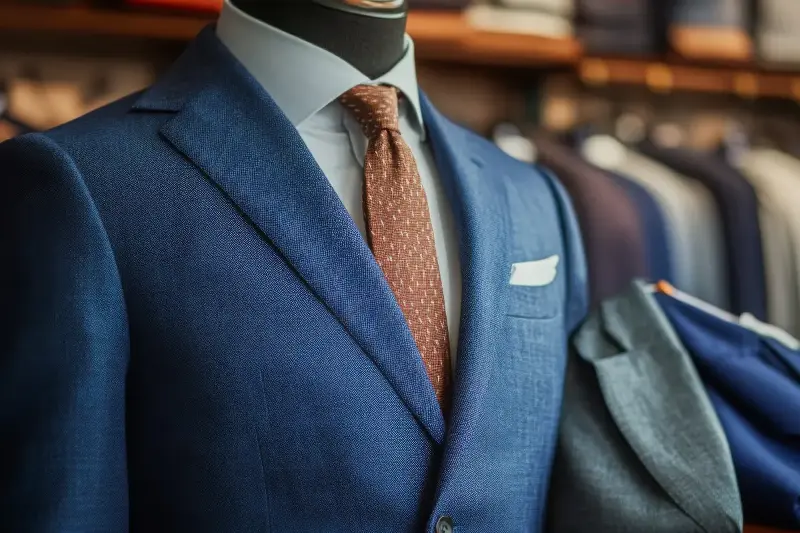
There is an almost cinematic power in slipping into a well-tailored suit. The lines, the drape, and the fabric are all matters of craft. Yet, an often underestimated element can be the difference between merely blending in and leaving an indelible mark: the color of your suit. In the world of men’s fashion, tailoring is about more than just a perfect fit; it is about mastering color to express sophistication, confidence, and personality.
THE PSYCHOLOGY BEHIND SUIT COLORS
Color psychology is a powerful tool for self-expression. Studies show that the hues you wear influence not only how others perceive you but also how you feel about yourself.
- Navy Blue: Long associated with trustworthiness and professional reliability.
- Charcoal: Conveys a sense of quiet authority and strength.
- Black: Embodies classic elegance and seriousness.
Beyond symbolism, color is a subtle language. When you walk into a room clad in a sophisticated shade, your appearance communicates your intention before a single word is spoken. Selecting the right suit color is, in a sense, writing your own introduction.

CLASSIC COLORS AND MODERN VARIATIONS
Tradition remains the backbone of men’s tailoring, with navy, charcoal, and black serving as the foundational pillars of any wardrobe. These tones offer incredible versatility, transitioning seamlessly from high-stakes business meetings to evening receptions.
However, modern tailoring also invites individual flair:
- Deep Greens: Suggests a refined, confident willingness to stand apart.
- Burgundy: A bold choice that signals creativity and self-assurance.
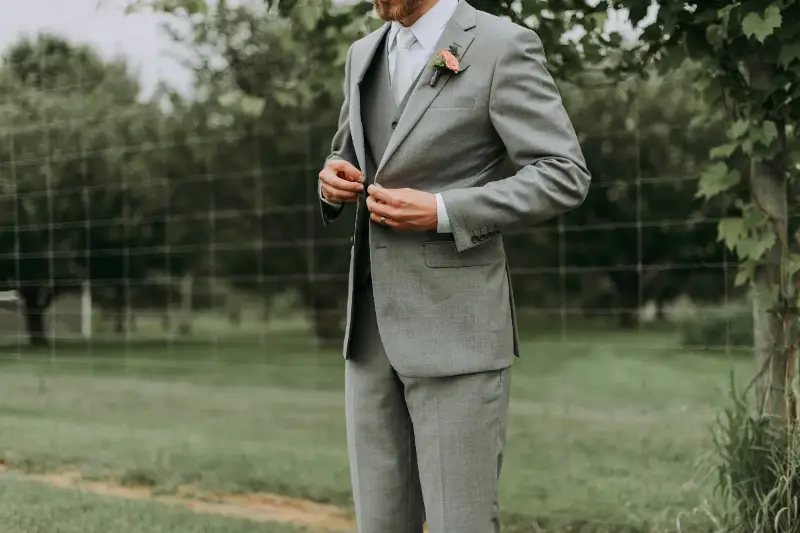
- Light Grays: Perfect for daytime events, summer weddings, and casual-chic social affairs.
Shades like midnight blue or deep plum provide a contemporary edge. These rich hues lend an air of mystery while remaining firmly within the bounds of traditional style.
WHY COLOR SELECTION MATTERS IN DIFFERENT SETTINGS
Context is crucial. Your choice of suit should always respect the environment:
- Professional Workplaces: Navy or charcoal suits deliver an impression of reliability and focus.
- Evening Events: Black suits are iconic and best reserved for formal galas or celebrations.
- Creative Industries: Unique tones like teal or soft, textured blues allow for personal expression without straying into excess.
Cultural nuances also play a role. British traditions often favor rich tweeds and earthy, grounded tones for daywear, while Italian tailoring is renowned for lighter, sun-soaked colors that reflect a more relaxed lifestyle. Understanding these nuances adds a sense of worldliness to your style.

TAILORING: THE SECRET WEAPON OF SOPHISTICATION
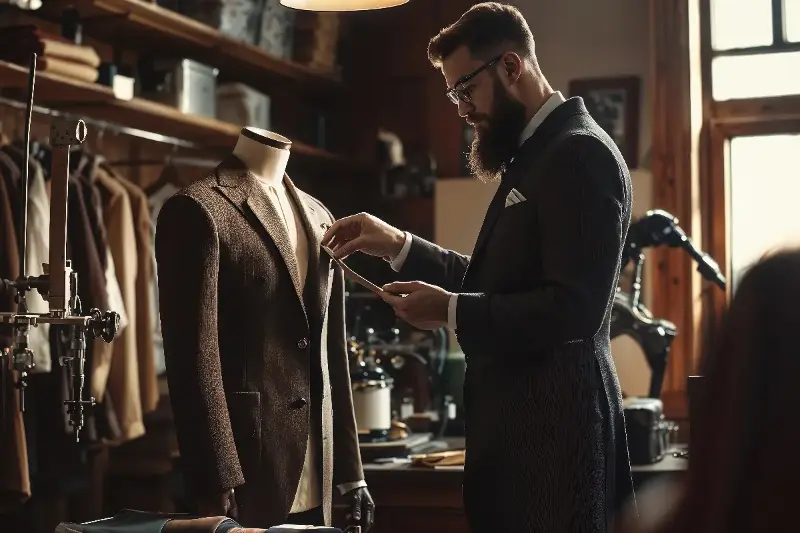
Color catches the eye, but tailoring transforms potential into reality. A suit’s color will fall flat if it is ill-fitting or poorly constructed. A structured British cut often complements darker, sharp-lined fabrics, while the softer, relaxed fit of an Italian-style suit pair beautifully with lighter, earthier tones.
Attention to detail is what elevates an outfit from standard to stellar:
- Internal Lining: Subtle contrasts between the jacket lining and the outer fabric.
- Button Material: Options like horn, shell, or dark wood add a touch of exclusivity.
- Supporting Accessories: Carefully curated pocket squares and ties demonstrate that your entire look was intentional.
MAKING A LASTING IMPRESSION
Ultimately, the colors you choose set the tone for how you are remembered. Whether you are dressing for a high-stakes pitch or a celebratory gathering, your suit’s shade is a vital component of your personal brand. In a world flooded with fleeting trends, a man who confidently dons a well-chosen, tailored suit sets himself apart as a connoisseur of timeless style.
The art of tailoring is not just about following rules—it is about understanding the power of color, fit, and the stories they convey. With every choice, you leave a signature, and with every hue, you share your narrative with the world.