



We often view the refrigerator as a magical sanctuary where ingredients stay perpetually fresh. However, viewing the fridge as a long-term solution can lead to diminished nutritional value, poor flavor, and potential food safety issues. To truly optimize your nutrition and enjoy the best flavors, it is essential to understand which foods simply do not belong in cold storage for extended periods.
Fruit: Freshness Has Its Limits
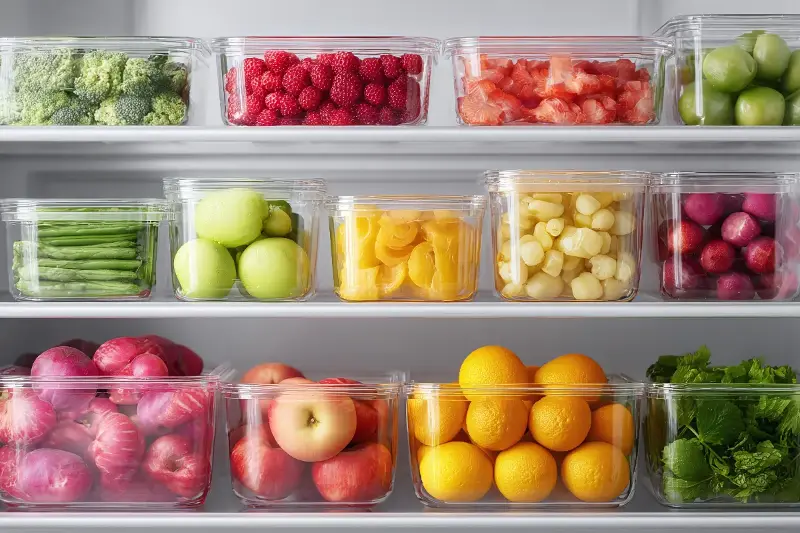
While refrigeration can delay spoilage, it is not a panacea for all produce. Many fruits suffer in the cold:
- Berries: Highly perishable, they can quickly develop mushiness, unpleasant flavors, and mold if neglected.
- Stone Fruits: Peaches and plums often lose their juiciness and sweetness in the cold, as the low temperatures interfere with the natural development of sugars.
- Bananas: These are best kept on the counter. In the fridge, their peels blacken prematurely, and the interior texture becomes unappealingly soft, losing its natural fragrance.
For the best experience, purchase small quantities and aim to consume these fruits within a few days of purchase.
Starchy Carbs: When Cold Makes Things Worse
Certain starchy foods undergo chemical changes that can impact both health and culinary quality:
- Potatoes: Cold temperatures cause starch to convert into sugar, which can alter the flavor. More importantly, when these sugars are subjected to high-heat cooking, they may produce acrylamide, a compound best avoided. Store your potatoes in a cool, dark, and well-ventilated area instead.
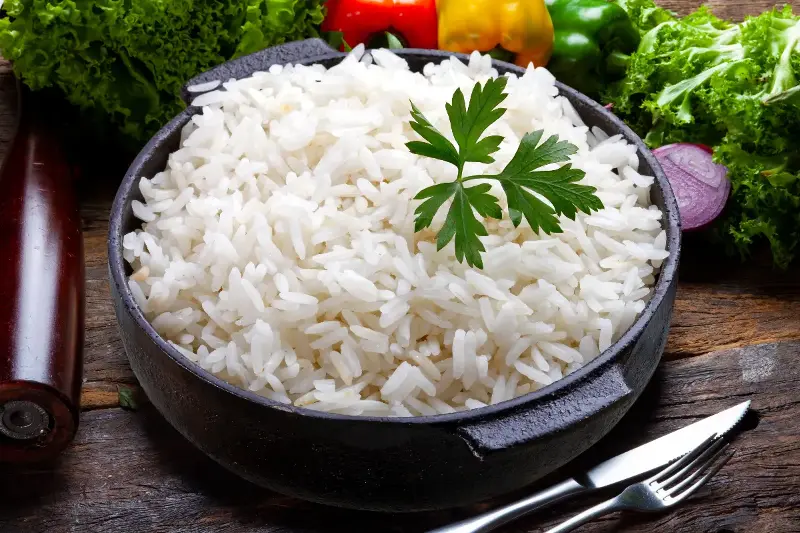
- Cooked Rice And Pasta: These are common vectors for Bacillus cereus, a bacterium that can survive the cooking process. Even when refrigerated, these foods should not linger; aim to consume them within 24 hours to ensure optimal safety.
Leafy Greens: Nutrient Loss Over Time
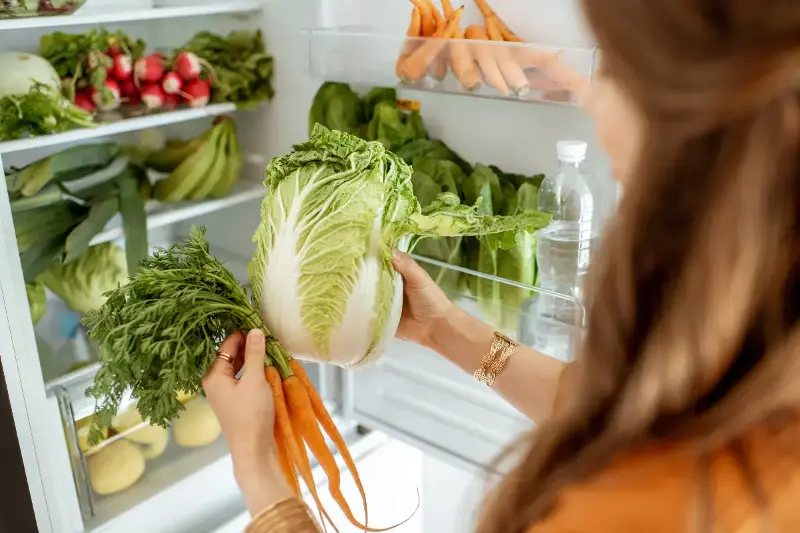
Greens like spinach and kale are nutritional powerhouses, but they are not immune to the passage of time. Scientific studies indicate that vitamin C and folate levels degrade significantly the longer these items remain in the crisper drawer. Specifically, spinach can lose up to half of its vitamin C content in just one week.
Furthermore, pre-packaged salad mixes often accumulate moisture, which promotes bacterial growth and results in a slimy texture. If you notice any signs of wilting or sliminess, it is time to say goodbye to those greens.
Eggs And Dairy: Quality Declines
While it is standard practice to refrigerate these items, fresher is always better for your palate and your gut health:
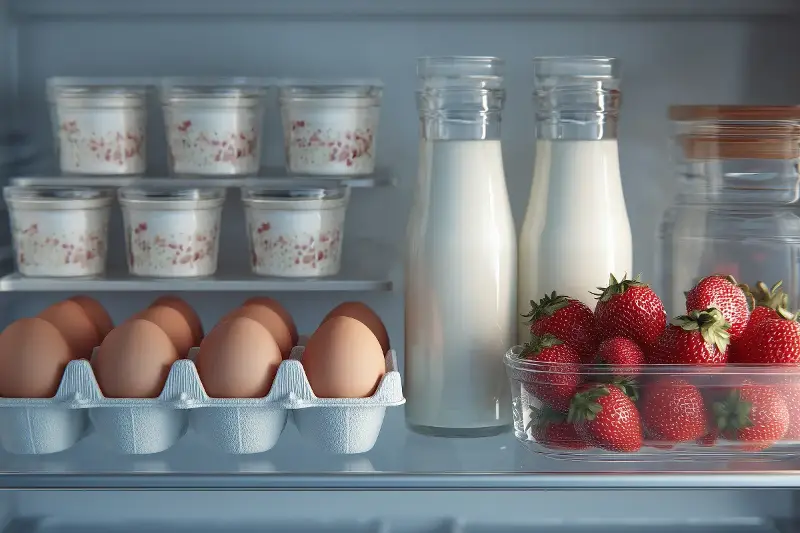
- Eggs: Over time, they undergo chemical shifts that reduce their binding capabilities in recipes and affect their overall flavor profile.
- Yogurt: The beneficial probiotic cultures in yogurt diminish over time, meaning you lose some of the digestive health benefits by letting it sit too long.
- Soft Cheeses: These are particularly prone to attracting unwanted bacteria once their recommended date has passed.
Meat And Seafood: Prioritizing Safety
Animal proteins are the most delicate items in your refrigerator. Cooked leftovers should generally be consumed within three to four days. Raw proteins, such as fish or poultry, are even more sensitive and should ideally be cooked or transferred to the freezer within 24 to 48 hours. When in doubt, trust your senses—any off-smells or surface sliminess are clear indicators that the item is no longer safe to consume.
By practicing mindful consumption, you can ensure your kitchen remains a source of vitality. Remember, the refrigerator is a tool for short-term preservation, not a long-term solution. Prioritize buying fresh, using items quickly, and maintaining a clean, organized fridge to keep your meals safe and flavorful.