


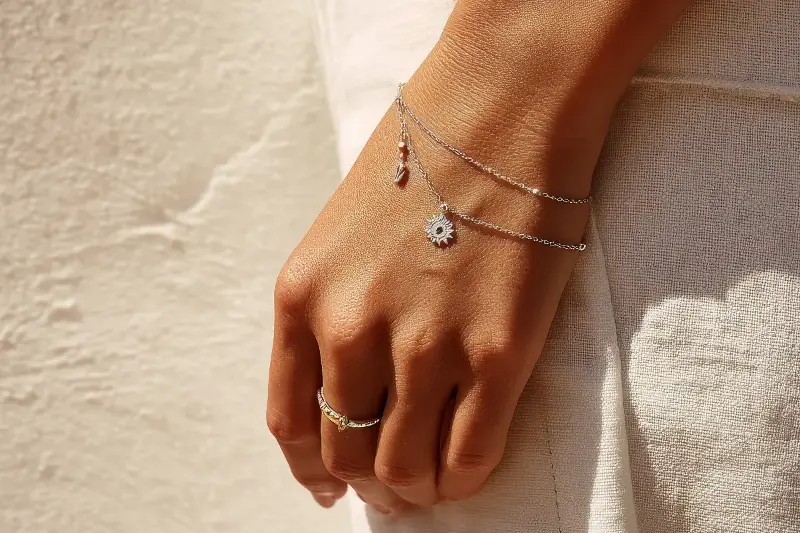
It is easy to view bracelets merely as pretty accessories, but around the globe, these circles of metal, thread, or beads carry stories that run far deeper than style. From spiritual symbols to tokens of love and friendship, bracelets hold secrets that have shaped cultures and connected people for centuries. Join us as we explore how different communities weave meaning, mystery, and magic into the tradition of wristwear.
ANCIENT ORIGINS AND EARLY TRADITIONS
Long before bracelets adorned the wrists of modern stars, they played vital roles in the daily lives and beliefs of our ancestors. Archaeologists have discovered shell bracelets dating back nearly 70,000 years in Africa, which are believed to have been used for spiritual protection or as markers of social status.
- Ancient Egypt: Bracelets functioned as amulets charged with protective powers. Scarab designs were particularly favored, believed to offer eternal life and safety to both the living and the departed.
- China: Jade bracelets have long bridged the gap between beauty and personal well-being. Tradition holds that jade stones can absorb misfortune, occasionally shattering to protect the wearer from harm. It is still customary for families to gift newborns tiny jade bangles to invite luck and longevity.
A SYMBOL OF CONNECTION AND FRIENDSHIP
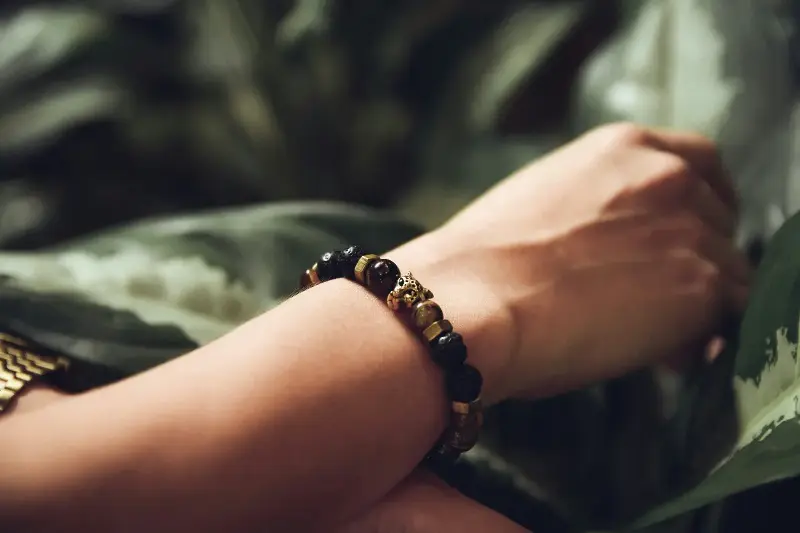
Across diverse continents, bracelets have served as tangible links between friends and family members, acting as physical manifestations of emotional bonds.
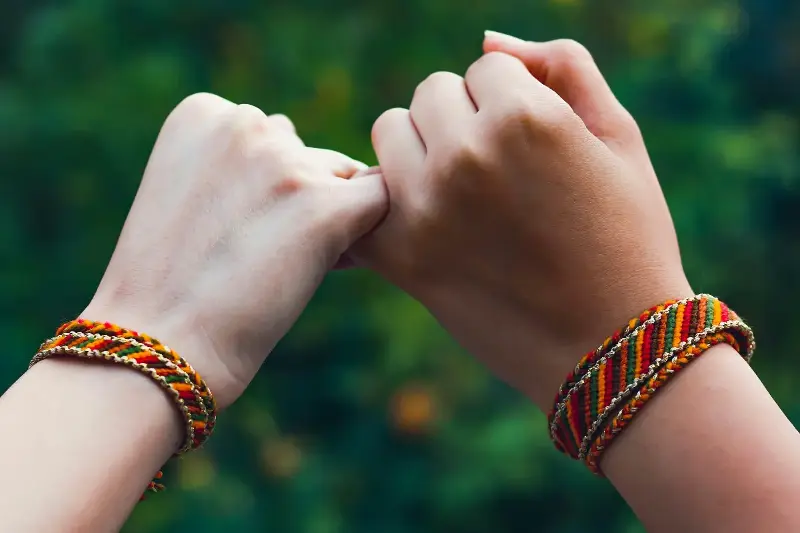
- Friendship Bands: Originating in Central and South America, these vibrant, handwoven threads are exchanged as tokens of loyalty. Tradition dictates that the wearer keeps the bracelet on until it naturally frays and falls off, which is said to ensure that the wishes made during the exchange finally come true.
- The Rakhi Tradition: In India, the Raksha Bandhan festival features sisters tying decorative threads—adorned with charms and beads—around the wrists of their brothers. This ritual symbolizes a promise of mutual protection and lifelong support, proving how a simple thread can unify families across generations.
RITUALS, RITES, AND RALLYING CRIES
Bracelets often mark the most significant milestones of a human life, acting as silent witnesses to our personal transitions.
- Seasonal Blessings: In Greece, children wear a "Martis" bracelet made of red and white thread every March. This practice is believed to ward off the harsh spring sun and promote good health. When the month ends, the bracelets are often tied to trees for migrating birds, creating a beautiful harmony between human superstition and nature.
- Cultural Identity: In Ghana, intricate bead bracelets are essential for rites of passage. The specific colors and patterns chosen tell a unique story regarding the wearer's family, tribe, and social standing, cementing the bond between jewelry and identity.
- Modern Solidarity: Today, bracelets continue their historical legacy as tools for social movements. Iconic bands, such as those representing charitable causes or awareness campaigns, serve as global rallying cries for solidarity and social change.
MATERIALS AND METHODS: A KALEIDOSCOPE OF CRAFTSMANSHIP
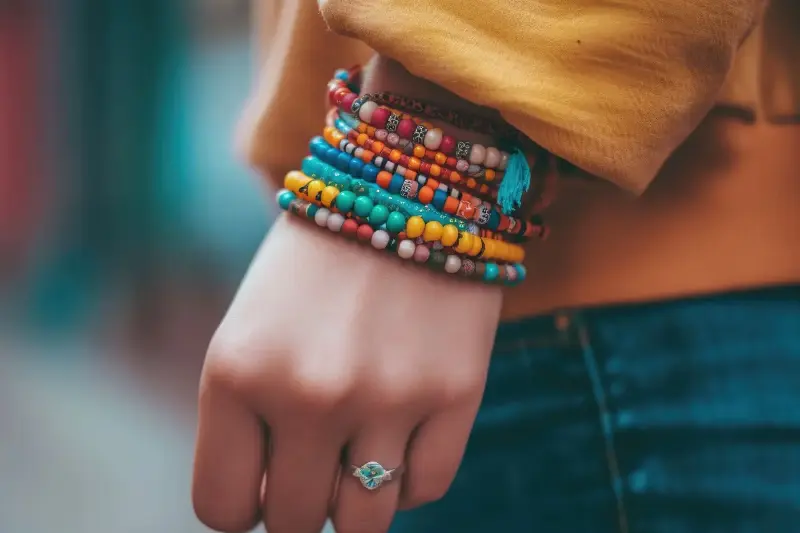
The diversity of materials used in bracelet making highlights humanity's boundless creativity:
- Maasai Artistry: Women in Kenya and Tanzania craft beaded bracelets with intricate patterns that denote marital status and age. The vivid color palette is purposeful: red signifies bravery, blue represents energy, and green honors the land.
- Personal Timelines: Italian charm bracelets allow wearers to curate a visual biography. Since the 1980s, these modular bands have allowed individuals to click on symbols of travel, birthstones, or zodiac signs, turning an accessory into a personal narrative.
- Sacred Threads: In Thailand, monks tie "Sai Sin" string bracelets around the wrists of worshippers during ceremonies. These threads are infused with blessings and prayers, worn until they eventually drop off, mirroring spiritual practices found in many other cultures.
FASHION STATEMENTS AND CULTURAL EVOLUTION
As fashion becomes increasingly global, bracelets continue to serve as both statement pieces and cultural bridges. Designers now skillfully mix motifs from Africa, Asia, and the Americas, celebrating heritage while embracing contemporary aesthetics. Their versatility—whether stacked, layered, or worn as a single minimalist piece—allows for endless self-expression.
Whether chosen for faith, friendship, or personal style, bracelets offer much more than meets the eye. The next time you fasten one around your wrist, remember that you are wearing a piece of history, connection, and human creativity.