


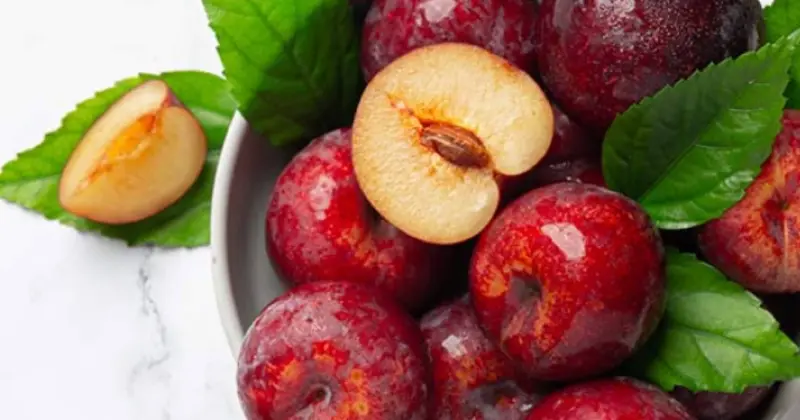
Plums possess all five flavors: sour, sweet, bitter, spicy, and salty. In traditional medicine, each flavor has its own specific effect; the simultaneous presence of all five means diverse uses, but it also means that caution is needed when consuming them: using them correctly is beneficial, using them incorrectly is harmful.
Modern research has found that plums are rich in organic acids, polyphenols, anthocyanins, dietary fiber, and many trace minerals. Recent studies clearly indicate that the antioxidants in plums can protect blood vessels, regulate blood lipids and blood sugar, and have certain benefits in the prevention and treatment of chronic diseases.
The pectin in plums helps increase bowel motility, improving constipation; organic acids stimulate gastric juice secretion, promoting digestion. An experiment showed that after 4 weeks of eating fresh plums, the number of beneficial bacteria in the participants' guts increased by 12.6%, and the frequency of constipation decreased by 14.8%. These benefits are due to the rich and unique "medicinal and food-related" properties of plums.
Three groups of people who eat plums correctly will reap health benefits.
People who often feel bloated after eating and have a poor appetite.
Plums are rich in pectin and organic acids, which stimulate gastric juice secretion, especially after fatty meals. Eating 1-2 plums helps promote digestion and reduce bloating. Modern studies have shown that eating plums in moderation after a meal increases gastric juice secretion by 17.2% compared to when fasting, reducing the burden on the stomach.
People with constipation and internal heat.
Plums have a distinctly moisturizing effect. In summer , when sweating increases and the body lacks fluids, eating plums in moderation can soften the intestines and facilitate bowel movements. A study on 65 elderly people with mild constipation showed that eating 80–100g of plums daily for 14 consecutive days significantly improved bowel function, with symptom index decreasing by 19.3%.
People with high cholesterol and slightly fluctuating blood sugar levels.
Plums are low in calories and contain anthocyanins with good antioxidant activity. For adults with high blood lipid levels, plums can reduce cholesterol levels by 4.9–7.2%. For people with mild diabetes and well-controlled blood sugar, eating a small amount after meals (no more than a handful, about 100g) will show more noticeable benefits, but excessive consumption should be avoided.
Groups of people who should be cautious about eating plums
Many people think that plums are good for health and can eat them freely and in large quantities, but in reality, there are certain precautions to take regarding the medicinal properties of plums. Many people overlook these details and encounter problems when eating them.
People with excess stomach acid or chronic gastritis should consider this carefully. Plums are slightly sour and stimulate stomach acid secretion. If you already have gastritis and excessive acid secretion, eating them can easily worsen symptoms; over 70% of people will experience bloating, belching, heartburn, and even vomiting.
People with spleen deficiency who are prone to diarrhea should not eat too many plums. Plums have a laxative effect and promote bowel movements, but for those with spleen deficiency, a weak constitution, and a tendency towards diarrhea, they can become a burden. Studies show that about 36.8% of people with spleen deficiency experience diarrhea or bloating, and the elderly and young children need to pay even more attention.
People with kidney failure and gout patients should avoid or eat fewer plums. Plums contain a relatively high amount of oxalates, and eating too many over a long period can increase uric acid levels and put a strain on the kidneys. Data shows that after continuously eating 150 grams of plums for 7 days, a group of people who already had high uric acid levels experienced even higher levels and more severe related symptoms.
How to eat plums in a healthy way
Due to its strong acidity, it can easily irritate the stomach lining. This can cause stomach pain and acid reflux. Elderly people and children should be especially careful.
According to food safety guidelines, unripe plums contain high levels of tannins and phytic acid, which can easily cause nausea, constipation, abdominal pain, and even kidney problems if consumed.
Traditional medicine emphasizes that eating too many plums at once can easily lead to excessive heat and dampness, causing phlegm, diarrhea, and tooth decay. It is recommended that adults eat only 3-4 medium-sized plums (about 100-150g) at a time; the elderly and children should not eat more than 2 plums (under 100g).
To maximize the health benefits of plums as a "herbal remedy," combine them in the following ways:
Eat one or two fresh plums after meals. This is especially suitable for people who eat a lot of fatty foods or have poor digestion. It replenishes gastric juices while reducing irritation to the stomach and intestines.
Regardless of how you eat them, controlling the amount and timing is always key. Both modern nutritional biology and traditional medicine agree that while plums are good, they only truly benefit health when eaten correctly and in the right amounts.