


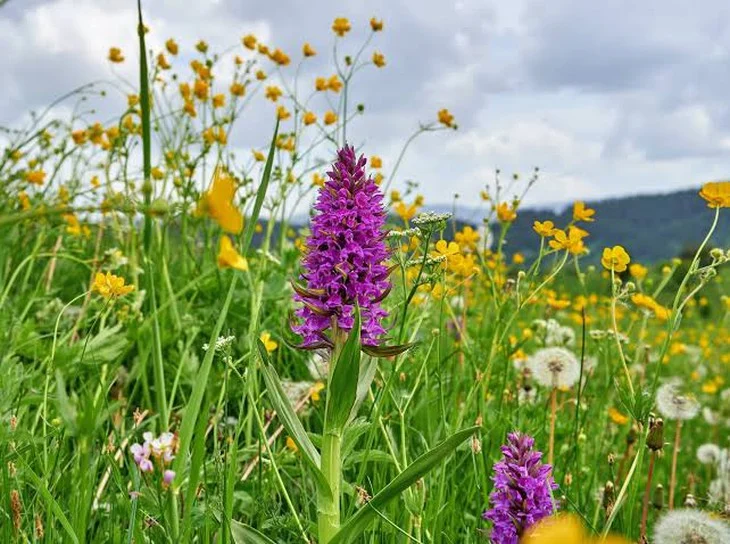
The abandoned field has become a breeding ground for thousands of naturally growing orchids - Photo: CARL SAYER
A field once used for farming in Norfolk, eastern England, has surprised scientists by spontaneously restoring itself into a lush, vegetation-rich meadow after more than a decade of being left to nature to "heal" on its own.
The research, conducted by Professor Carl Sayer of University College London (UCL) and his colleagues, has just been published in the journal Restoration Ecology .
The team monitored a plot of land, approximately 2 hectares in size, in Bodham, North Norfolk, from 2011 to 2022. This field had previously been cultivated like many other agricultural plots.
After their last rapeseed harvest in 2005, Professor Sayer's family stopped growing it because the soil didn't drain well.
At that time, he wanted to transform the area into a meadow of wildflowers and let the field largely regenerate naturally. The family only mowed the grass once a year.
Every 2-3 years, the research team surveys the vegetation, noting the species that appear and monitoring fixed plots in the grassland.
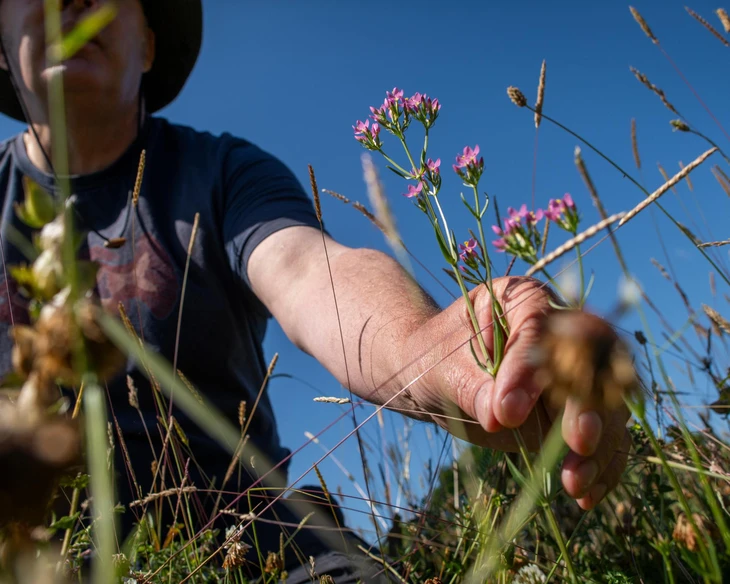
Many 'unusual' plant species have appeared in this field even though they are not found in the surrounding area - Photo: CARL SAYER
The results after more than a decade are very clear. The average number of plant species in each survey plot increased from about 10 species in 2011 to nearly 20 species in 2022.
In particular, thousands of new orchid species have appeared, including southern swamp orchids. Other species such as goldenrod, large shrub sedges, and common gentians are also gradually appearing, some of which were relatively rare locally.
Professor Sayer recounts that when the first orchids appeared during the surveys, the whole team was thrilled. To date, the number of orchids has grown to thousands, becoming one of the most striking features of the meadow.
"Visiting the grasslands is like stepping back in time," Sayer described.
Most surprisingly, many species arrived here without humans bringing seeds. Some may have dispersed from surrounding areas thanks to wind or animals. For example, deer can carry seeds or plant material from elsewhere to the fields.
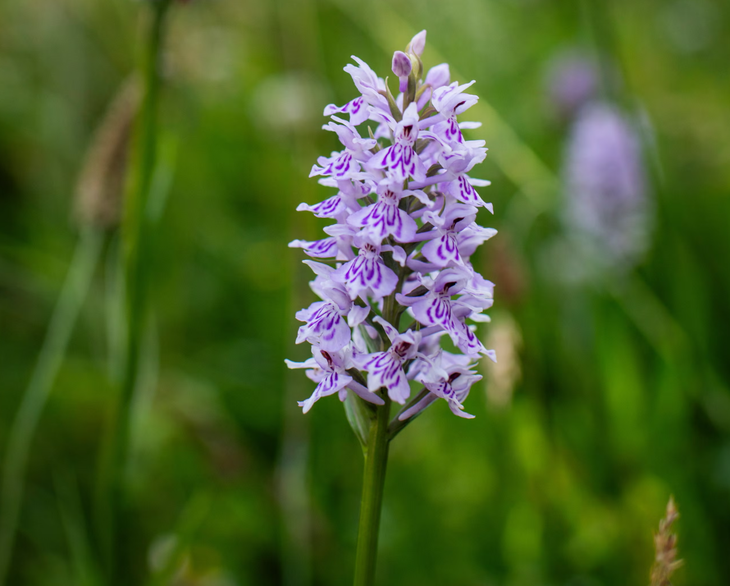
Many rare orchid species suddenly sprouted in the abandoned field - Photo: CARL SAYER
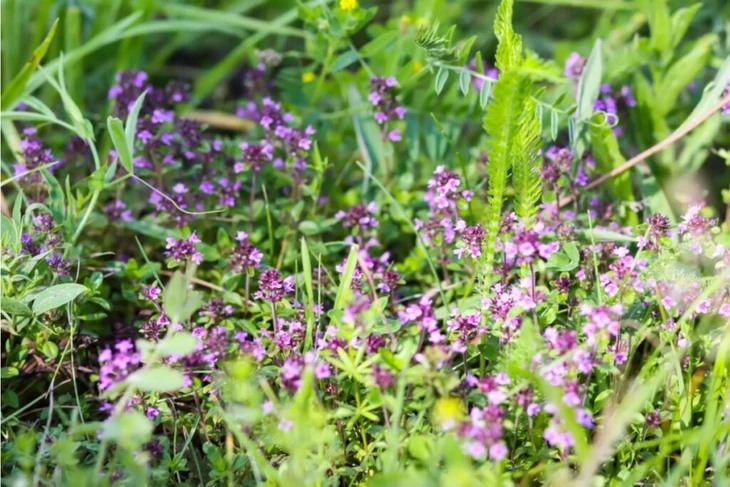
Nature 'heals' itself in the research team's field - Photo: CARL SAYER
The findings raise questions about the methods currently used for grassland restoration. Many projects utilize commercial seed mixes, soil treatments, or other costly interventions to quickly create new vegetation.
According to Professor Sayer, in suitable locations, patiently waiting for natural recovery can be a worthwhile option. This approach also has the advantage of preserving native plant populations and their genetic diversity.
However, the study does not mean that every abandoned field will automatically become a wildflower meadow after a few years. The area studied was mowed annually and was situated within a landscape with surrounding forests, trees, and other meadows that could provide a source of seeds.
The ability of a field to recover depends on its farming history, soil conditions, nearby vegetation, and how it is managed after production ceases.