


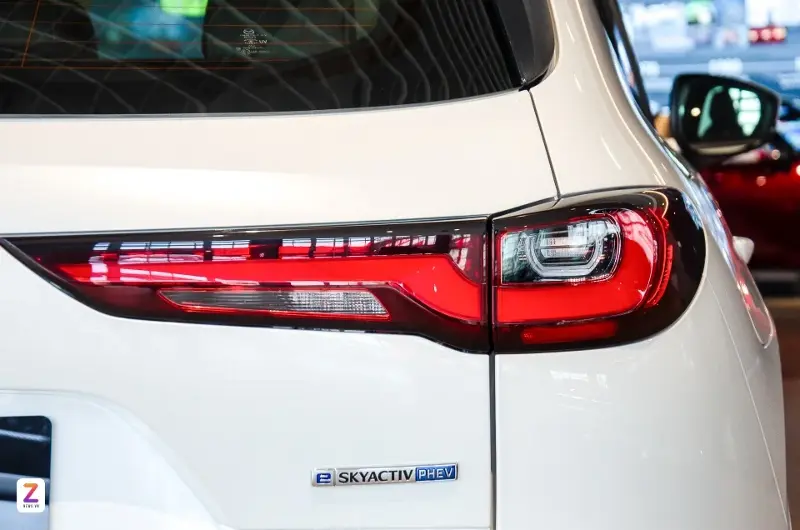
Mazda aims to elevate itself to a premium brand. The company is upgrading its products and increasing prices in the hope that customers will embrace the innovations.
So what is the Japanese automaker relying on, and will customers be willing to spend money on the new generation of Mazda vehicles?
When announcing its "Japanese Premium" positioning as a high-end Japanese car brand, Mazda described the Longitudinal Platform as the "backbone" of premium features in the Mazda CX-60 and Mazda CX-90 models.
Furthermore, the hybrid system, built on the foundation of "high-performance" gasoline engines, also plays a crucial role in Mazda's strategy, helping to win over customers not only with luxurious interiors but also with its ability to reduce fuel consumption – which is quite high on larger motorcycles.
Choose electrochemistry using hybrid
Until the official launch of the CX-60 and CX-90 last weekend, Mazda was one of the few automotive brands in Vietnam that had not made any concrete moves toward electrification.
Mazda's previous product lineup was quite diverse, but consisted entirely of purely internal combustion engine models, from low-slung vehicles like the Mazda2, Mazda3, and Mazda6 to SUVs like the CX-3/CX-30, CX-5, CX-8, and even the Mazda BT-50 pickup truck.
Some of these models have been discontinued, but Mazda has yet to make any moves to replace them with electrified products.
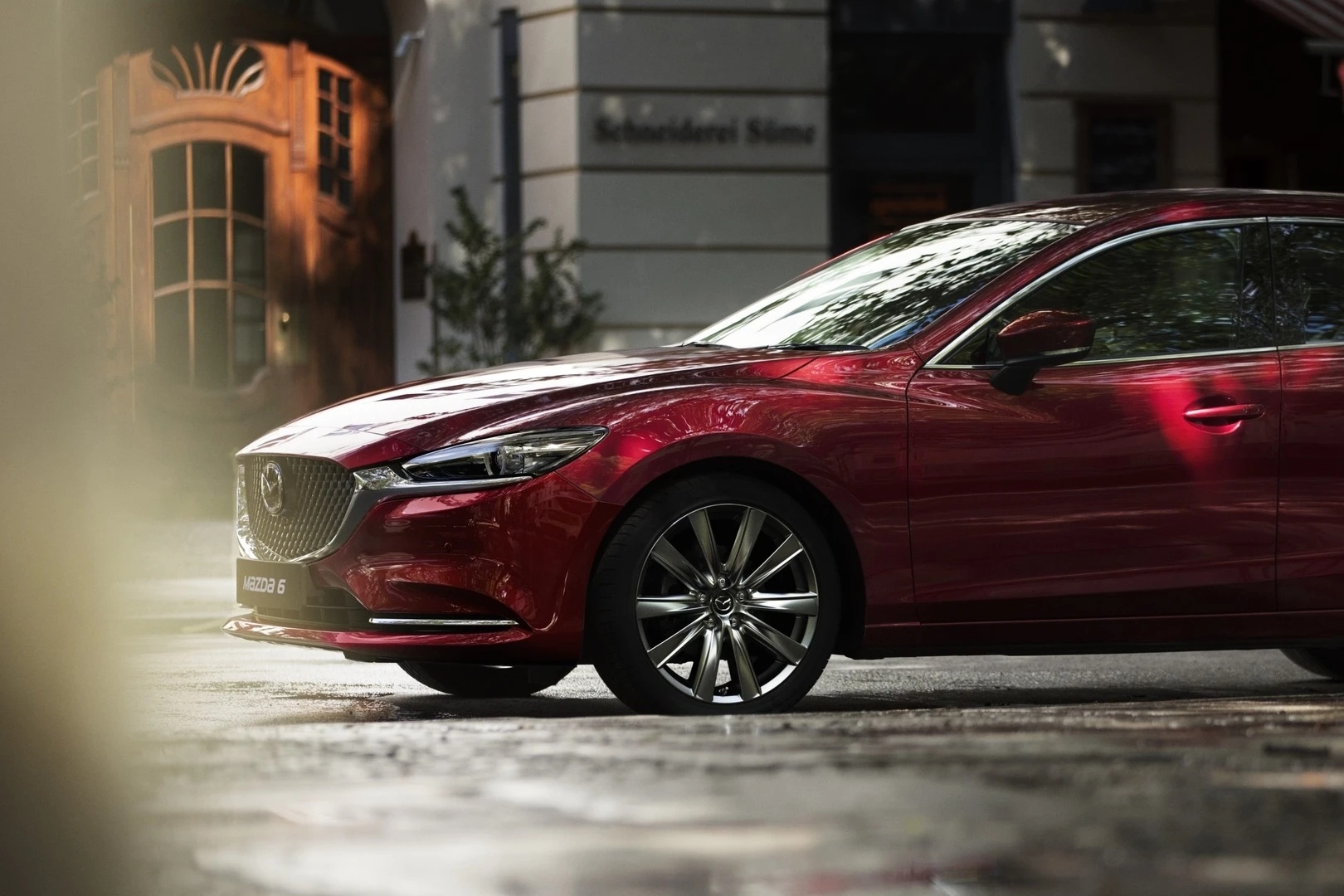
The Mazda6 has been discontinued, but the launch plans for the all-electric Mazda EZ-6 sedan in the Vietnamese market have yet to be revealed. Photo: Mazda.
Kia, a brand under the same parent company as Thaco , has had HEV/PHEV versions of the Kia Sorento for quite some time. Recently, the company launched an upgraded Kia Sorento HEV along with hybrid versions of the Kia Sportage and Kia Carnival.
Toyota is the leading brand in the Vietnamese hybrid market, followed by its compatriots Honda and Suzuki. Although Hyundai has removed the hybrid option from the Santa Fe, it continues to sell the Ioniq 5 electric vehicle.
Chinese car manufacturers entering Vietnam recently have largely focused on electrified products, including various types of hybrid vehicles and purely electric cars.
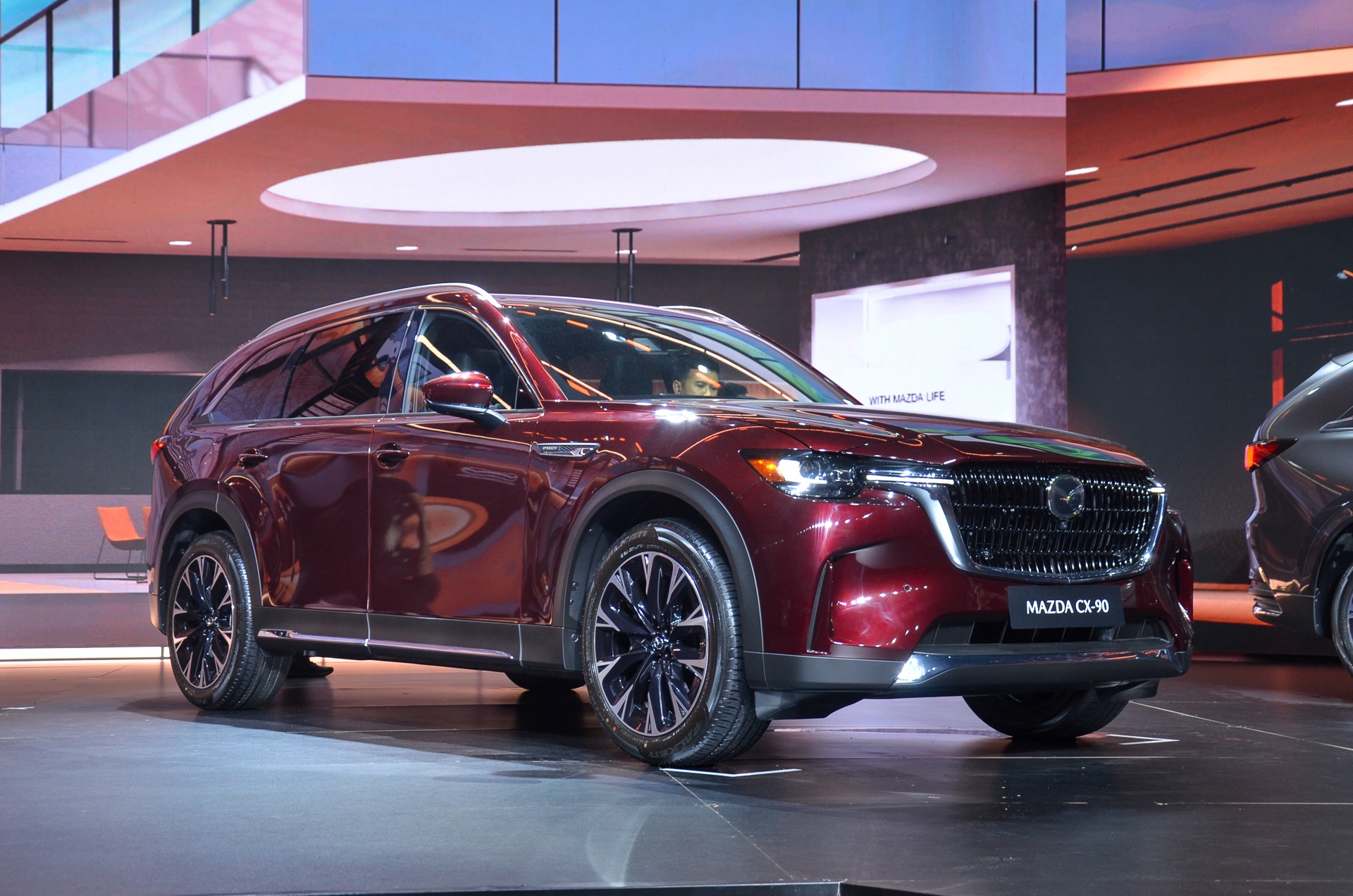
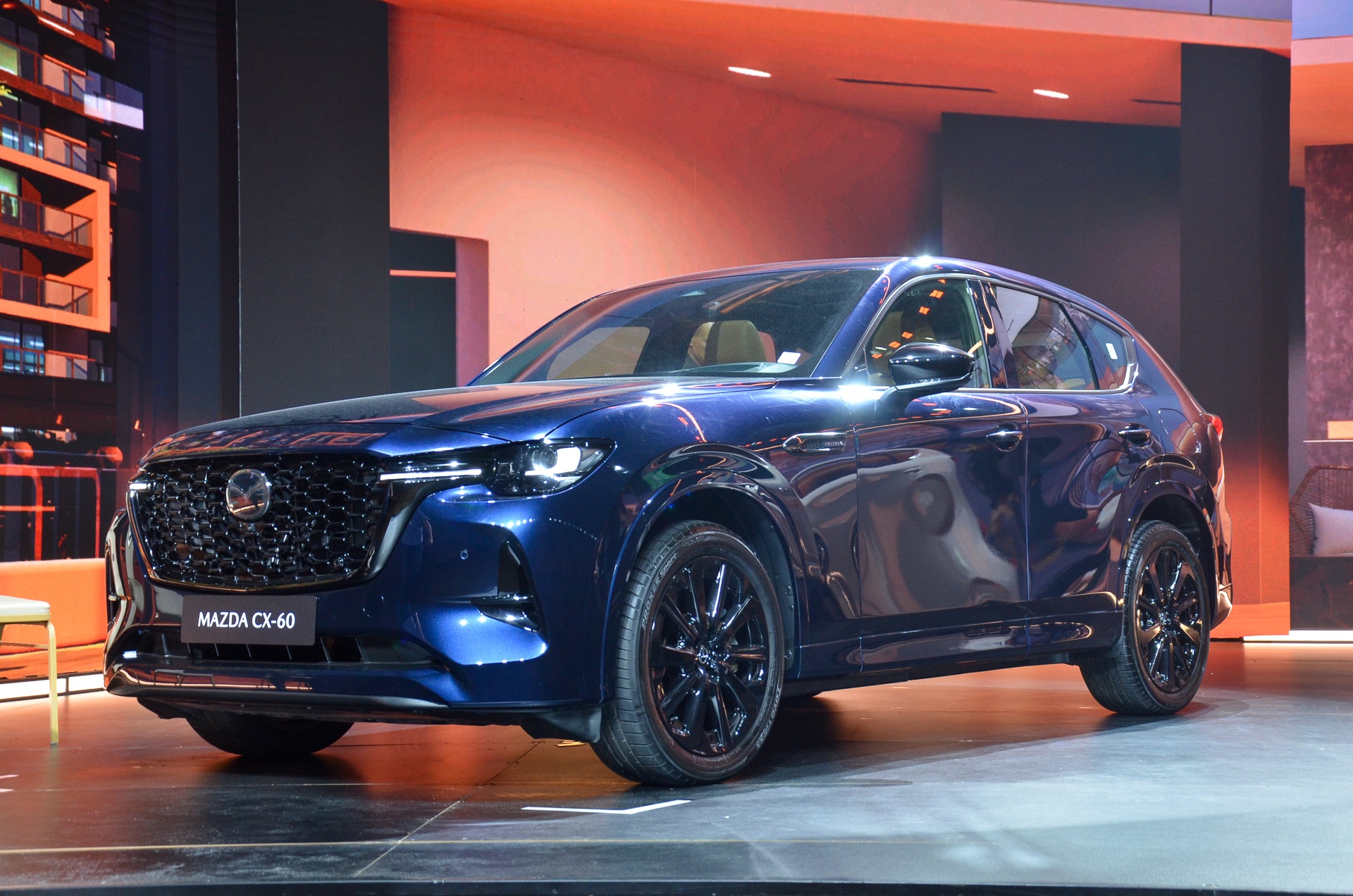
The Mazda CX-60 and Mazda CX-90 mark the beginning of the brand's hybrid vehicle lineup in Vietnam. Photo: Phuc Hau.
BYD started with an all-electric lineup, later adding PHEVs. Geely also has all-electric and PHEV products. Lynk & Co has PHEV models and is preparing to launch an all-electric vehicle. Omoda & Jaecoo has gasoline, hybrid, and PHEV vehicles and is preparing to launch an all-electric car.
Luxury car brands such as Mercedes, BMW, Audi, and Porsche are gradually introducing hybrid and all-electric models to Vietnamese customers. Even in the ultra-luxury segment, Vietnamese customers still have electrified options such as the Rolls-Royce Spectre and Bentley Continental.
What is a different approach to attracting high-end customers?
Unlike some brands that are rushing to launch purely electric vehicles, or even going to the extreme of completely transforming into a purely electric car manufacturer, Mazda chose to launch hybrid vehicles in a similar way to its domestic rivals Toyota, Honda, and Suzuki.
Specifically, the Mazda CX-60 sold to Vietnamese customers is equipped with a hybrid powertrain consisting of a 3.3L I6 e-Skyactiv turbocharged gasoline engine combined with an electric motor, delivering a maximum output of 280 horsepower and a maximum torque of 450 Nm.
The CX-90 hybrid version has a similar engine setup, however, the maximum power output is stated at 340 horsepower and the maximum torque at 500 Nm.
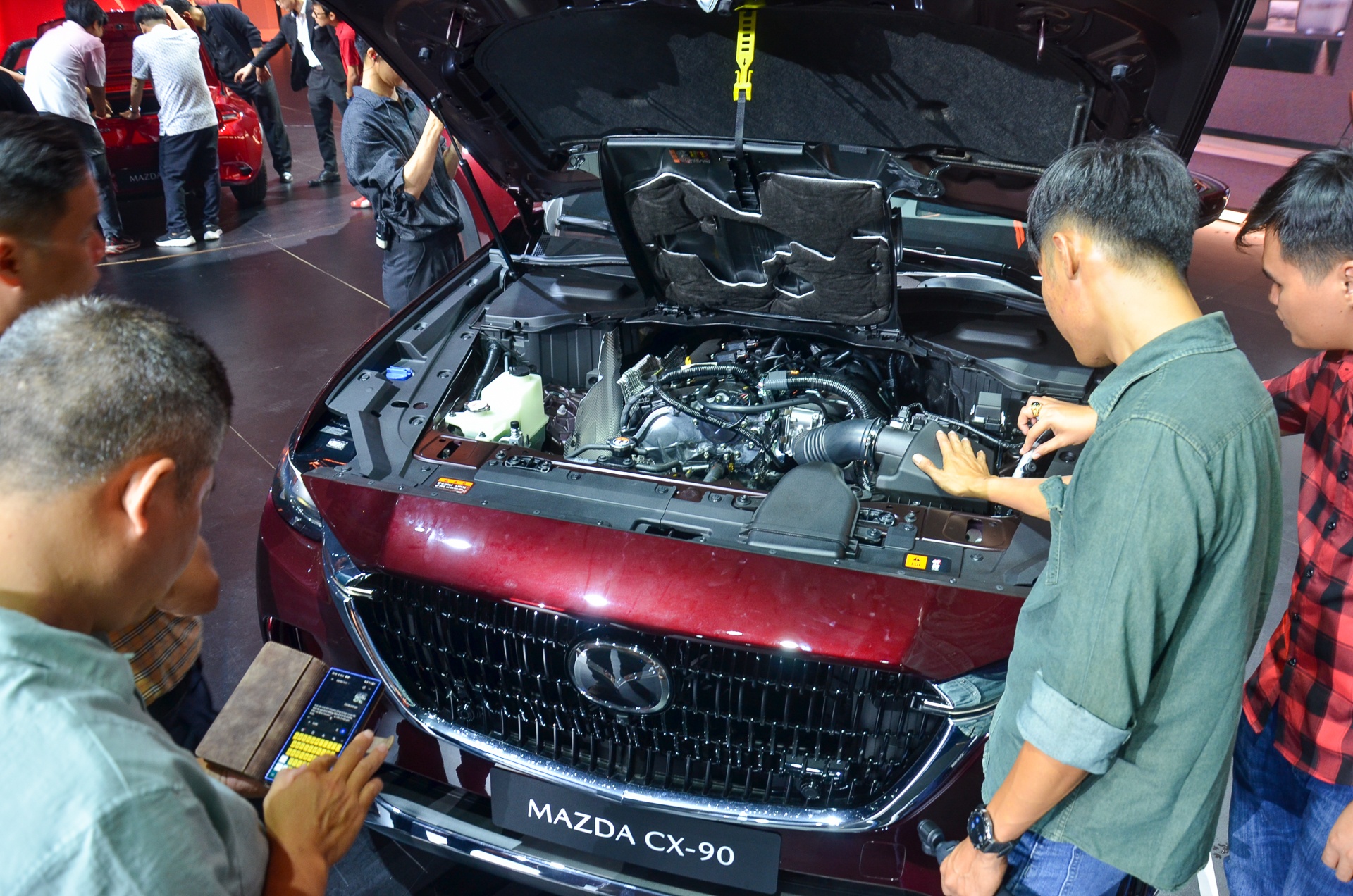
The Mazda CX-90 hybrid comes with a 3.3L turbocharged gasoline engine. Photo: Phuc Hau.
The Mazda CX-90 2.5 PHEV combines a 2.5L e-Skyactiv gasoline engine with an electric motor and a 17.8 kWh lithium-ion battery pack. This E-segment SUV boasts a maximum output of 323 horsepower and a maximum torque of 500 Nm, with a maximum all-electric driving range of 42 km.
Mazda's first PHEV model in the Vietnamese market boasts a fuel consumption of 2.37 liters/100 km, according to the manufacturer. This figure is generally not surprising, as PHEV systems are known for their low fuel consumption due to the combined operation of a gasoline engine and an electric motor.
Notably, the Mazda CX-60 3.3T Hybrid achieved a fuel consumption of 8 liters/100 km, while the Mazda CX-90 hybrid version recorded 8.09 liters/100 km. Compared to the average fuel consumption in the Vietnamese market, Mazda's hybrid SUV duo boasts significantly lower fuel efficiency.
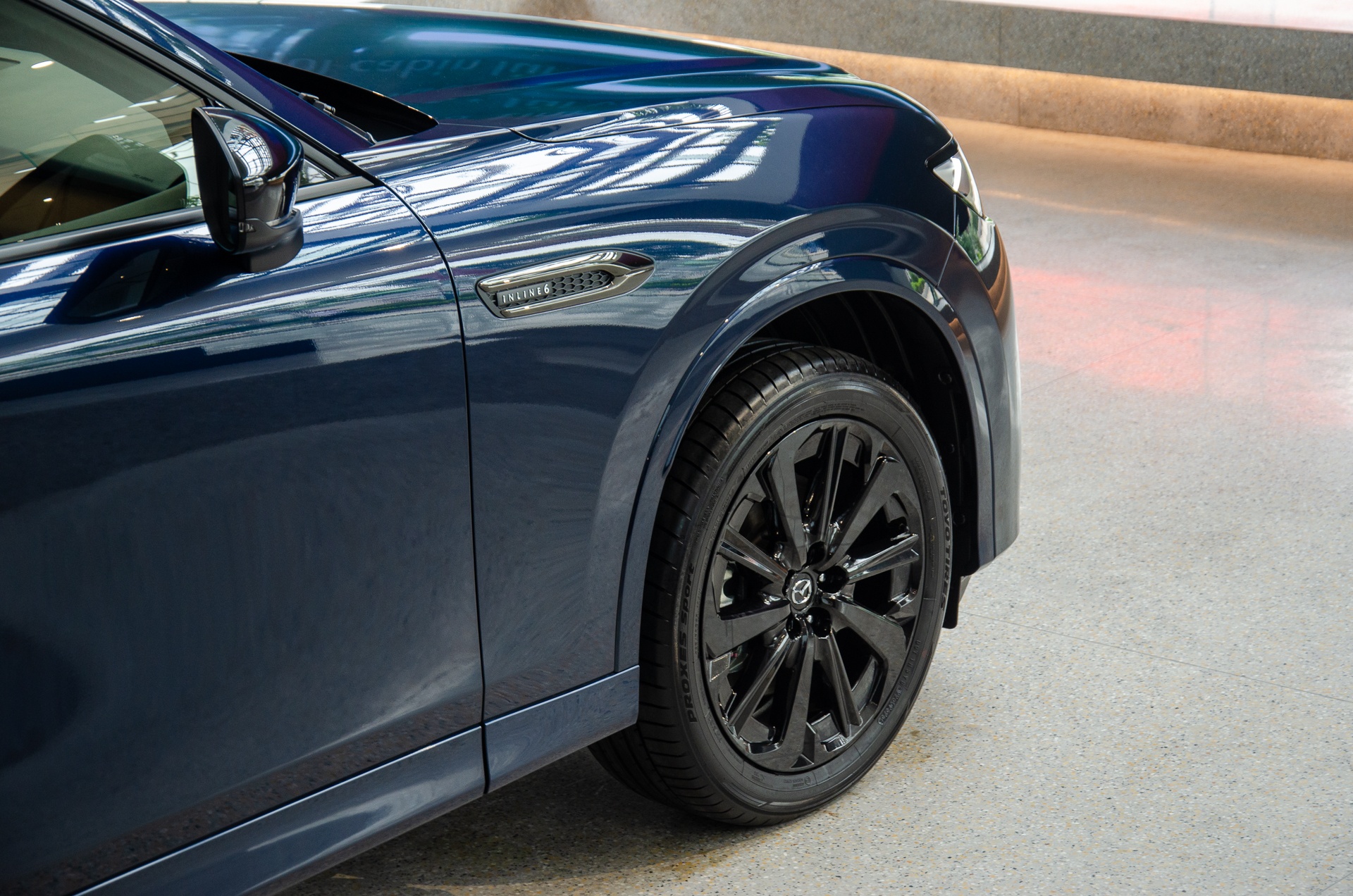
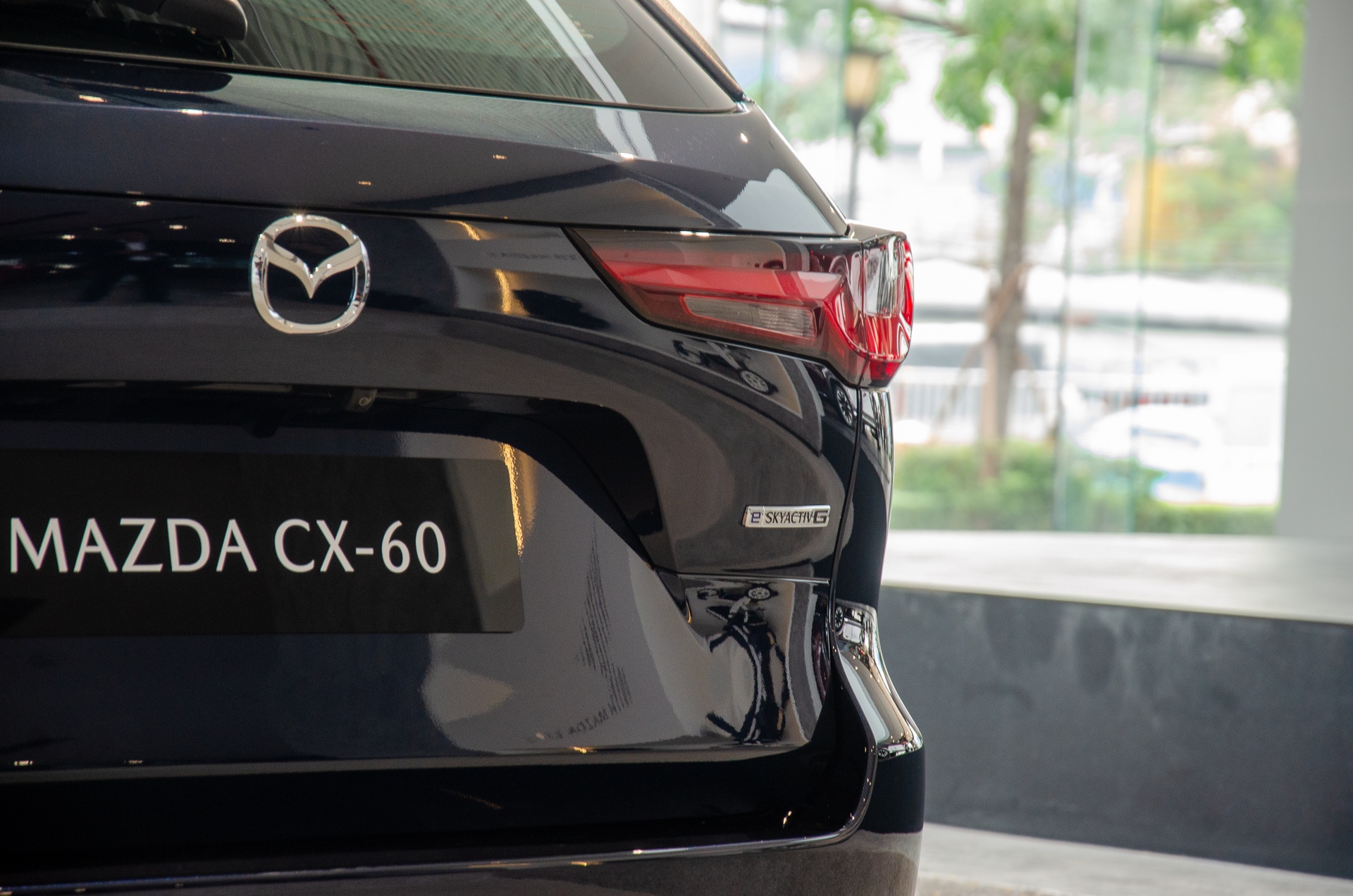
The addition of an electric motor and battery pack allows the Mazda CX-60 to reduce fuel consumption for its 3.3L I6 e-Skyactiv G Turbo engine. Photo: Phuc Hau.
For example, the Mercedes-Benz GLS 450 4MATIC, equipped with a 3.0L I6 engine, has a combined fuel consumption of 11.79 liters/100 km. The Toyota Land Cruiser LC300, with its 3.5L V6 Turbo engine, boasts a fuel consumption of 12.94 liters/100 km in mixed driving conditions.
Even a model in a different segment, such as the high-performance Ford Ranger Raptor pickup truck with its 3.0L V6 gasoline engine, consumes an average of around 11.5 liters/100 km.
Thus, despite certain differences in size, weight, and market positioning, models like the Mercedes-Benz GLS 450 4MATIC or the Toyota Land Cruiser LC300 have significantly higher fuel consumption than the Mazda CX-90.
While not entirely clear, this appears to be Mazda's different approach in its attempt to position itself as a premium Japanese automaker. Customers not only get access to SUVs with driving feel close to European luxury cars and high-quality interior materials, but they can also experience a hybrid system that significantly reduces fuel consumption in these larger-engine models.
While it's worth noting that customers in the premium and luxury segments aren't overly concerned about fuel consumption, Mazda's introduction of a pair of SUVs equipped with a 3.3L turbocharged gasoline engine that consume less than 8.5 liters per 100 km is still a noteworthy highlight.
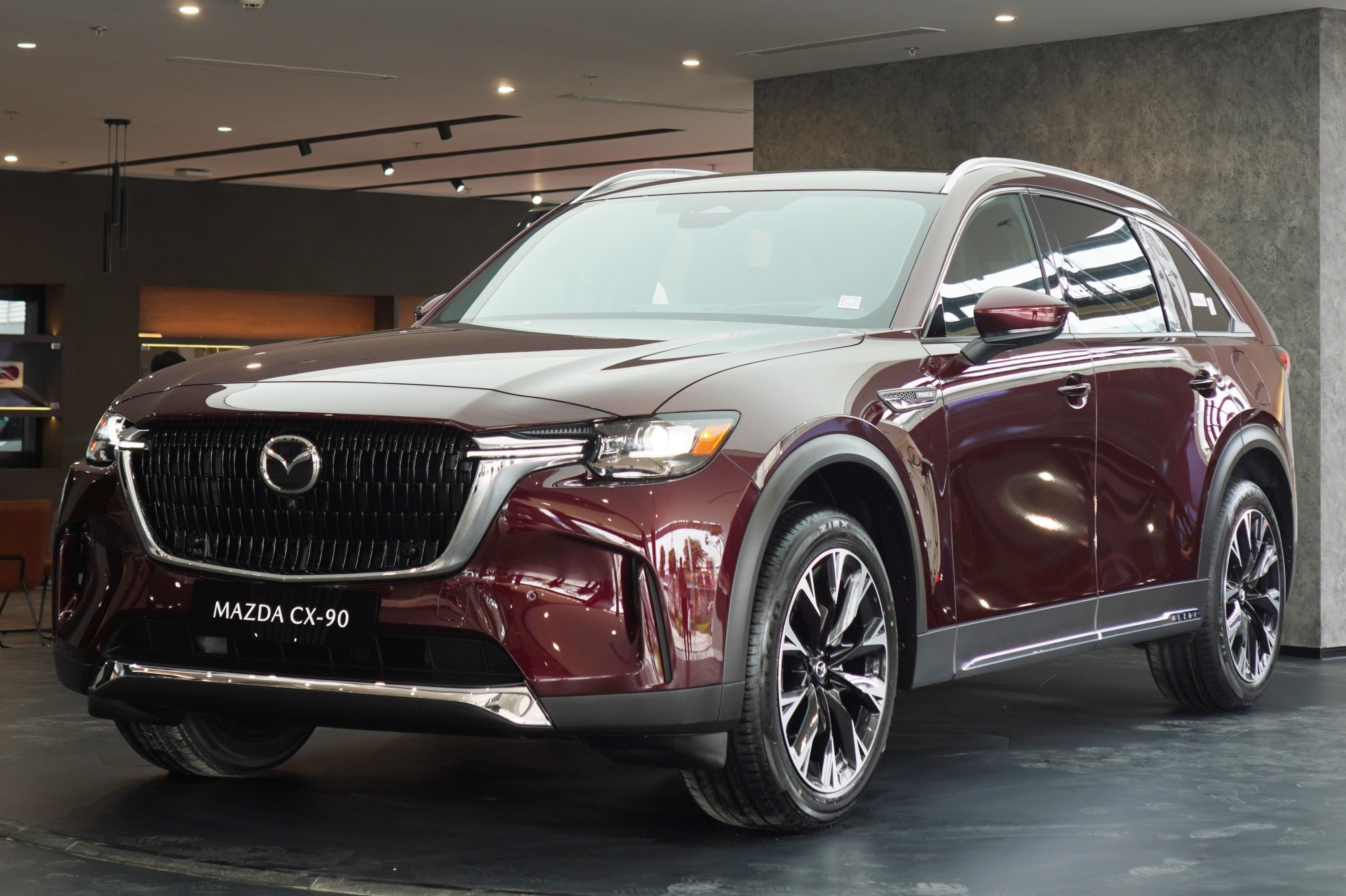
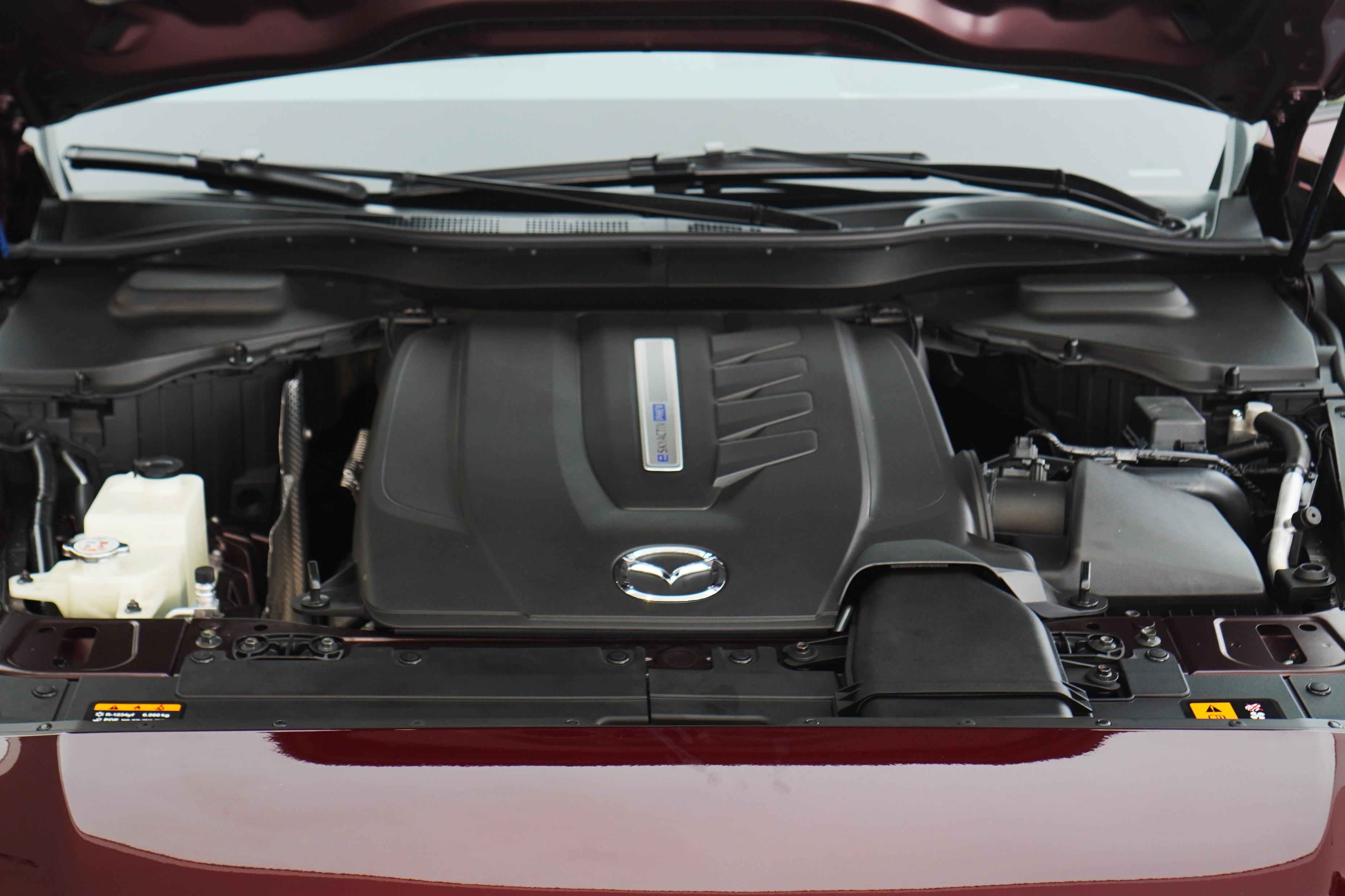
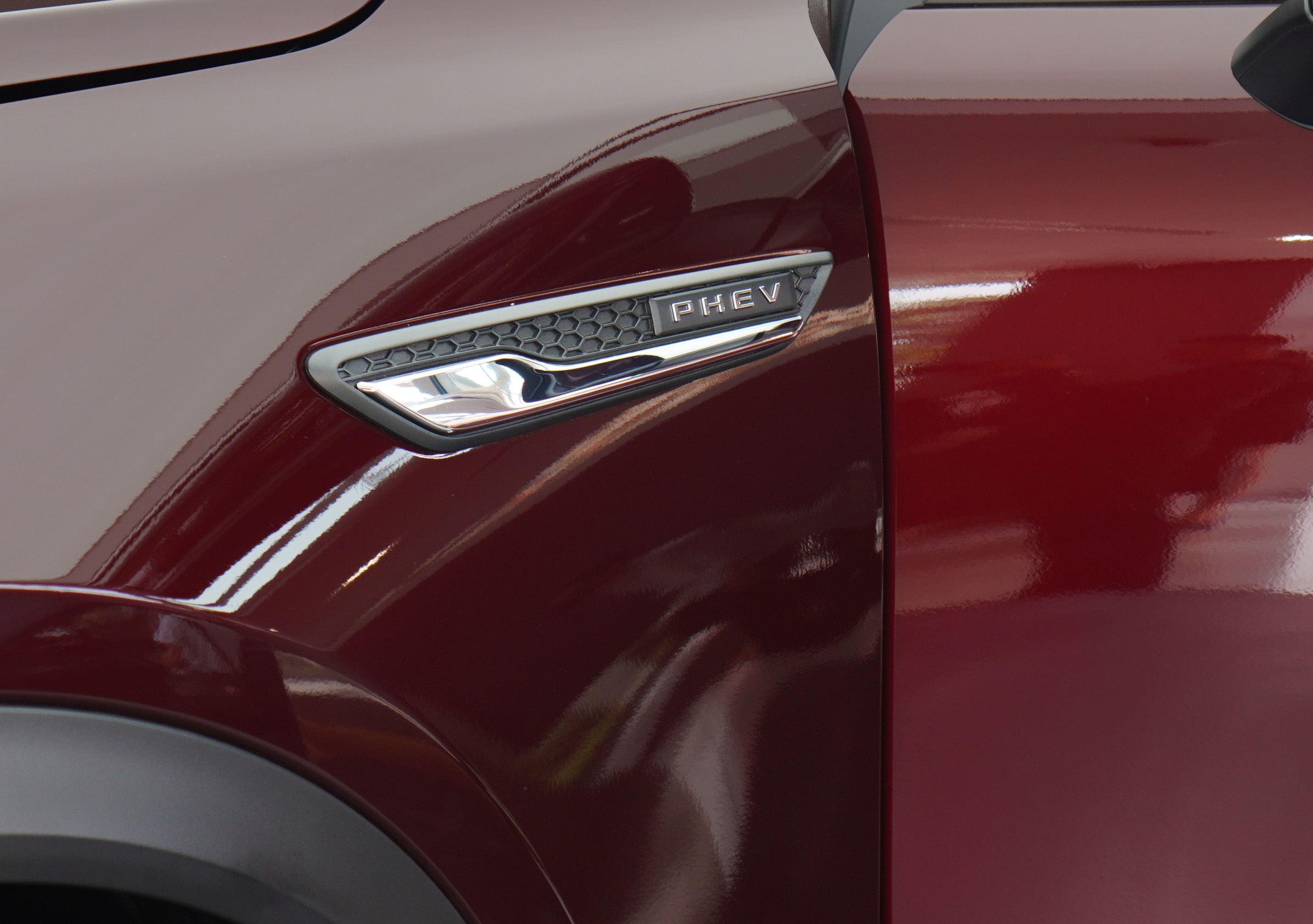
The Mazda CX-90 is equipped with either a 2.5L naturally aspirated engine or a 3.3L turbocharged engine, depending on the version. Photo: Dan Thanh.
Vietnamese customers approaching the CX-60 and CX-90 don't feel "forced" to use purely electric vehicles. By accepting the cost of approximately 2 billion VND to own the car, this high-end customer segment still enjoys the power of a massive gasoline engine, but with lower fuel consumption compared to other models equipped with similarly odometer-powered engines.
Ignoring peripheral factors such as the fact that the Mazda CX-60 and CX-90 still bear the company's old logo, introducing models with large engines but low fuel consumption thanks to hybrid systems could be Mazda's approach to attract attention in the premium and near-luxury segments.
The success of this strategy will need more time to be proven; however, Mazda's decision to bring in models previously only sold in international markets like Europe has helped the brand gain some attention in Vietnam. There is a segment of customers who are not ready to switch to electric vehicles immediately, still preferring the experience of larger motorcycles but with better fuel efficiency.
The highlight of the CX-60 and CX-90, as mentioned, lies not only in their Longitudinal Platform setup but also in how the hybrid system works, helping to maintain the presence of large engines while aiming to reduce overall fuel consumption across the entire Mazda lineup in Vietnam.